Does your car no longer perform like it used to? Perhaps you’ve recently bought a second-hand car that feels like it’s down on power?
Over time, engines can lose their power, resulting in a notable drop in performance and reduced horsepower and efficiency. But what’s behind this dip in performance? And how can you prevent it?
In this guide, we’re looking at what causes engines to lose their power and sharing some tips on how to improve the performance and health of your car’s engine.
Symptoms of engine power loss
In order to be able to assess the reasons why your car may be losing power, you need to first know the symptoms to identify if your car is losing power. Let’s dive into the key signs that your engine is losing power.
You are pressing harder on the accelerator.
As drivers, we get very used to the feel of our cars, and acceleration is a key aspect of that. If you notice that you are having to press your accelerator more, or keep it in a lower gear for longer to hit a speed you’d normally cruise to then this may be a sign that your engine isn’t producing the power it should be.
Your exhaust is puffing out strange smoke.
Usually, exhaust gas should be light grey or white, any deviation from this may indicate engine problems. For example, black smoke typically indicates excess fuel (rich mixture), while blue smoke suggests oil burning.
Your engine idles rougher than usual.
A louder than usual engine, particularly at idle, suggests that your engine is having to work harder just to tick over. Rough idling indicates inefficient combustion or imbalance. Performance tasks such as air conditioning can be slightly affected by this.
Potential causes of engine power loss – and how to fix them
If you’ve noticed a recent drop in power or feel like your car’s engine is slowly losing performance, there are several possible causes. These range from mechanical issues (which are likely to cause an immediate drop in power) and longer-term issues that can cause performance to dwindle over time.
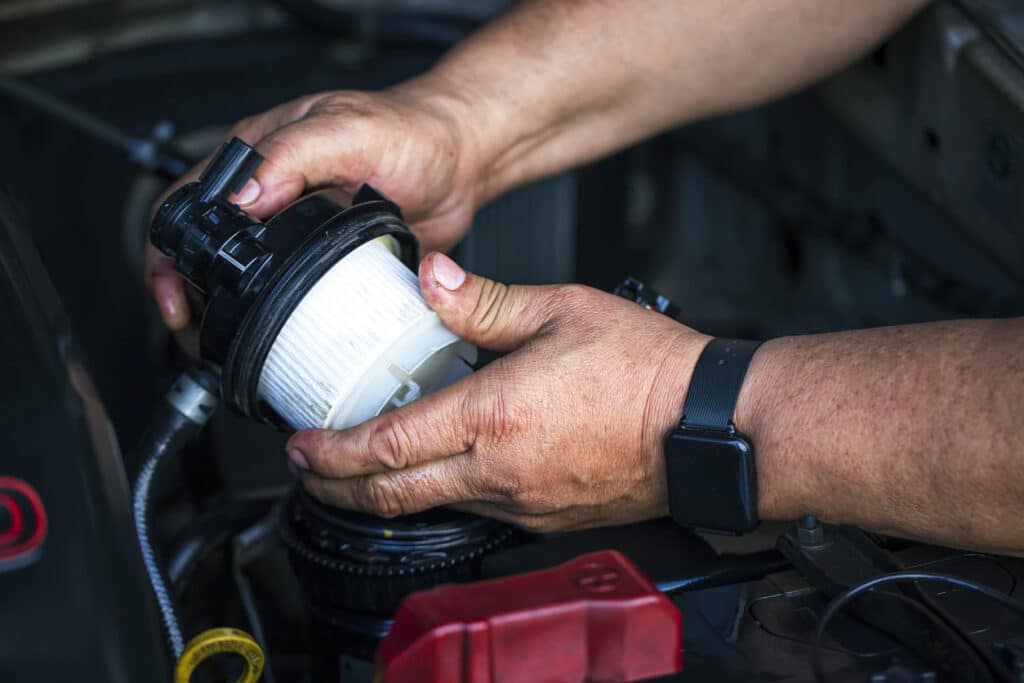
Clogged fuel filter
Fuel filters are designed to prevent particles and deposits from entering the fuel lines and reaching the engine. But like any other filter, they can become clogged up over time, resulting in reduced engine output.
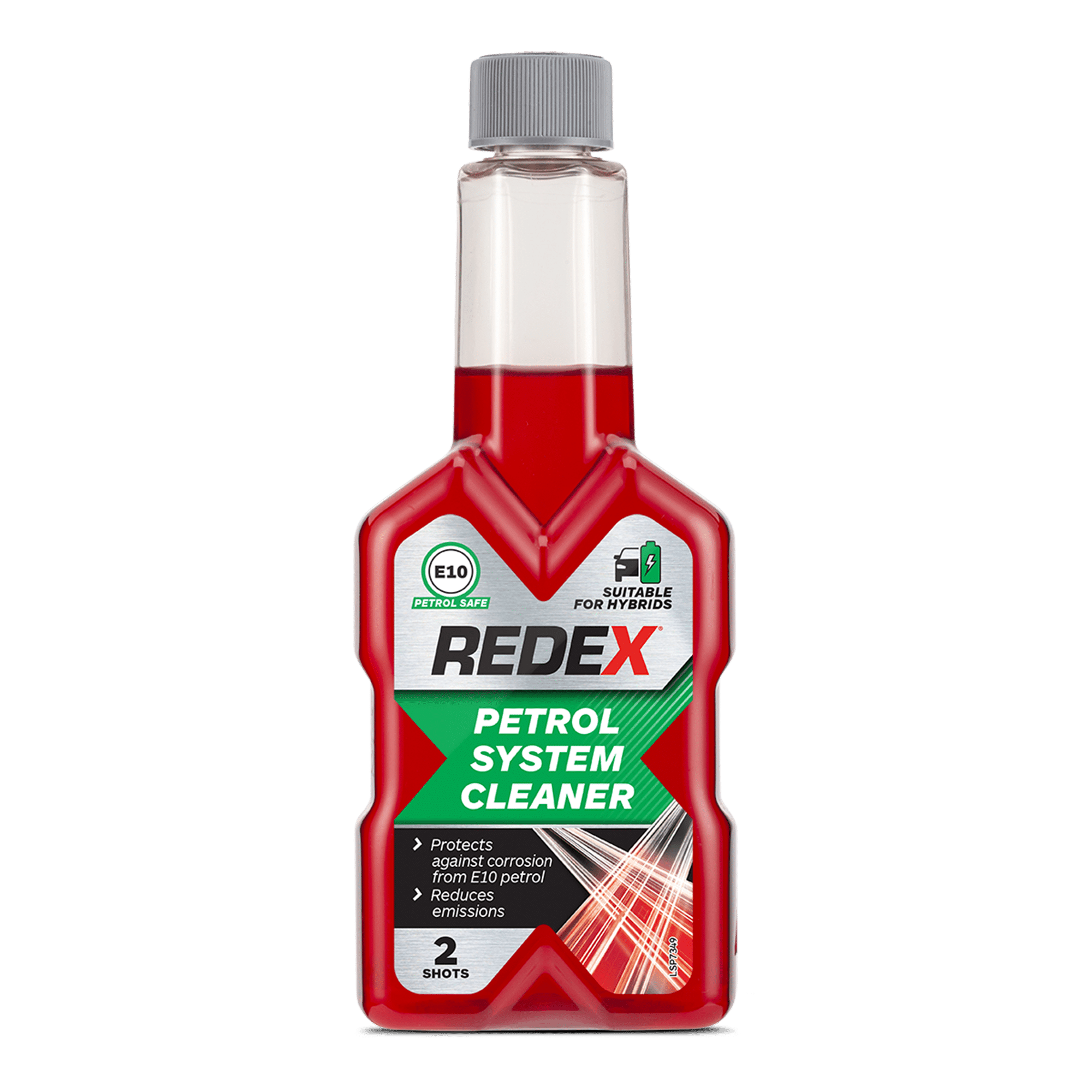
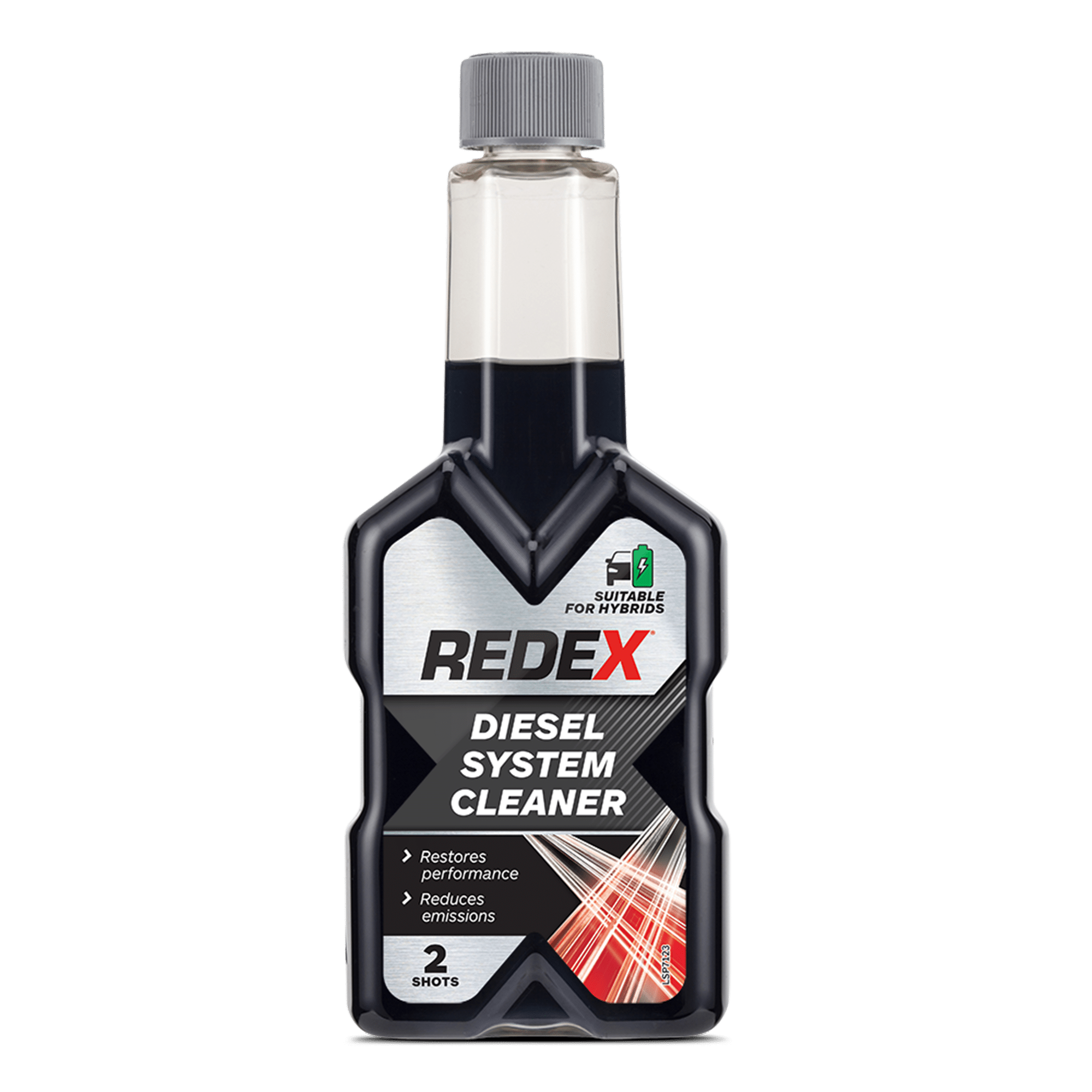
When fuel filters become clogged, they can interfere with the combustion cycle, since not enough fuel is able to reach the engine. We’d recommend using Redex System Cleaners to help remove dirt and ensure your car’s fuel system is working as it should.
Clogged or faulty fuel injectors
Fuel filters aren’t always enough to prevent particles and deposits from entering the fuel system. And it’s these deposits that can clog the fuel injectors, preventing the right quantity of fuel from reaching the combustion chamber.
Fuel injectors feature narrow nozzles that can easily become clogged with dirt and particles. When this happens, they can no longer deliver fuel to the engine efficiently, resulting in a drop in engine performance and efficiency.
To solve this, we’d once again recommend reaching for Redex fuel additives. Our diesel and petrol system cleaners are specifically designed to clear deposits from the fuel system, with an innovative cleaning formula that dissolves dirt and improves the efficiency of the system.
Clogged air filter
The air filter performs a similar task to the fuel filter, and just like its counterpart, it too can become clogged with dirt that interferes with how the engine performs. When not enough air can reach the engine, this interferes with the combustion cycle, leading to a drop in power that can be surprisingly significant.
Thankfully, clearing a clogged air filter is a straightforward process, so if that’s what’s causing your performance woes, you’re in luck. All you need to do is remove the filter (it’s found at the very front of the car and should be easy to access) and give it a good clean. You can use a vacuum cleaner for this, but an air line or can of compressed air works best.

Dirty exhaust system
If your car isn’t burning fuel efficiently due to a clogged air filter, fuel injector, or similar issue, this can have a knock-on effect within the exhaust system. Restrictions in the exhaust system (e.g. blocked catalytic converter or DPF), can cause power loss.
Remember: an exhaust’s job is to remove fumes from the engine and cut the amount of pollution your car emits. When it can’t do this efficiently due to a blockage, the engine control unit (ECU) may limit power (‘limp mode’) when faults are detected to protect the engine or emissions system.
Clearing a dirty exhaust system isn’t an easy process, so you may need to take your car to a professional to have it assessed. However, you can generally avoid this type of issue by staying on top of engine maintenance and ensuring that the air filter, fuel injectors, and fuel filters are kept clean and working at their best.
Faulty spark plug
Now it’s time to look at the mechanical issues which can cause an immediate and significant drop in engine power, starting with a faulty spark plug.
Spark plugs create the electrical spark your engine needs to ignite. When they develop faults, you may notice starter problems, misfiring, or poor acceleration, in which case the bad plug will need to be identified and replaced.
If you’re not sure how to replace a spark plug or want to learn more about the possible symptoms of a bad plug, read our comprehensive guide on maintaining spark plugs for peak engine performance.
Malfunctioning sensor
Modern car engines feature an array of sensors that are designed to detect faults and keep components working as they should. Checking everything from temperature to emissions, these sensors send signals to the ECU and are essential for maintaining power and performance.
While faults with an engine sensor are uncommon, when they do go on the blink they can cause a range of issues – including diminished engine output. And, to exacerbate the problem, a malfunctioning sensor can be hard to diagnose, since the symptoms are so similar to other issues under the bonnet.
The best way to diagnose a faulty engine sensor is to book your car in with a professional mechanic. Most garages now have specialist engine diagnostics tools that quickly detect sensor faults, so you can get the problem solved quickly and safely.
Gear slipping
In basic terms, the transmission is what connects the engine to the wheels, the spinning of the transmission caused by the engine is then sent to the wheels via the driveshaft.
Slipping gears means that the torque generated from the transmission will not be sent to the wheels. This is noticeable because the RPM will be increasing when the speed of your vehicle is barely increasing.
In manual cars, this is usually caused by a worn out clutch, which while pricey, is usually a simple fix for an experienced mechanic. In automatic vehicles, transmission fluid may fix the issue or the entire transmission may need to be replaced.
Catalytic converter issues
A catalytic converter acts to convert toxic gases that are put out during combustion into less harmful gases.
If this converter is blocked, it can prevent exhaust gases from leaving the system, causing a build-up of unhelpful gases that prevent proper combustion.
Minor clogs can be fixed with a catalytic converter cleaner that is added to your fuel tank, but more serious blockages may require professional cleaning or a complete replacement.
Faulty fuel pump
Modern cars work under higher pressure than older motor vehicles, requiring even small components to be working at maximum capacity in order to maintain optimum output from components such as the engine or transmission.
In order for an engine to burn fuel efficiently and produce maximum power, the fuel must be delivered to the engine at high pressure, so a slightly faulty fuel pump can hugely affect engine output for this reason.
Usually, in a modern car, a faulty fuel pump may trigger a warning light that can then be checked using an OBD reader that your mechanic could diagnose.
Bad ignition coil
The ignition coil is used to start the engine by transforming the battery voltage to a higher voltage that is required to operate a spark plug.
When this component is faulty or broken, it may mean that spark plugs aren’t igniting fuel within the engine while you’re driving or in extreme cases, your car might not start in the first place.
If your car isn’t starting, it could be a symptom that your ignition coil is faulty.
Diesel particulate filter (DPF) issues
A diesel particulate filter (DPF) exists in diesel vehicles to prevent certain harmful contaminants from getting into the air from the exhaust gases.
If this filter becomes blocked or faulty, then exhaust gases can be prevented from leaving the engine which will reduce the engine’s power output.
An orange DPF warning light may indicate that the filter is blocked, but it can be unclogged by going on a cruise down the motorway for a few miles. A red warning light may indicate a more significant problem that may need to be looked at by a professional.
Faulty EGR valve
By returning a portion of exhaust gas to the engine’s combustion chambers, the EGR system lowers combustion temperatures and therefore reduces the amount of NOx emitted. The EGR valve is the primary component of this system.
If this system becomes faulty, you may notice sluggish acceleration, increased fuel consumption, and even stalling when you come to a stop.
A faulty EGR valve shouldn’t be ignored, as well as a loss of power, it can also lead to MOT failures because of the increase in emissions that this would cause.
Faulty turbocharger
Many modern cars are fitted with turbochargers in order to increase engine power and fuel economy without increasing the size of the engine. Despite their brilliance, they aren’t without faults.
A turbocharger needs higher pressure, and higher revs to deliver power effectively. When the turbocharger “kicks in”, you’ll feel a slight boost in performance, if you stop noticing this and the engine is delivering a very linear power progression, this may be a sign that your turbocharger is faulty.
Timing belt issues
The timing belt is responsible for keeping moving parts in sync with each other so that the engine can produce as much power as it is capable of.
A desynchronised crankshaft and camshaft will lead to the valves of the engine opening and closing at the incorrect times, leading to misfires and a loss of power output.
A proper maintenance schedule can help to alleviate any worries you may have about your timing belt, such as proper oil changes and regular inspections of the timing belt before it becomes an issue.

Wear & tear
As your car ages, it will naturally begin to lose power as components wear down and the tight tolerances that are required to produce the power needed to propel a vehicle forward.
The most obvious example is pistons that may become loose in the engine cylinder.
If you’re not sure how to fix your car’s performance issue, we’d always recommend taking it to a professional mechanic for further testing and diagnostics. Power issues are likely to get worse over time, so it will pay to deal with the problem sooner rather than later.
How to prevent engine power loss
While it’s impossible to avoid engine faults altogether, there are things you can do to reduce the likelihood of diminished performance and output. This includes:
- Getting your car serviced at least once a year, in line with manufacturer guidance
- Using Redex fuel additives to keep the fuel system clean and free from dirt and deposits which lead to blockages
- Not ignoring dips in performance; the sooner the problem is fixed, the less damaging the long-term impact
- Periodically checking the air filter for blockages and build up. Any small checks you can do yourself can be helpful in the long term
- Staying on top of the general condition of the engine, including regular checks of the coolant/antifreeze level and oil
Engine power loss can be frustrating, but it doesn’t have to be a permanent issue. With regular maintenance and servicing, coupled with the use of Redex fuel additives, you can keep your engine working at its best for longer. For more information or to browse our complete product range, visit the homepage.