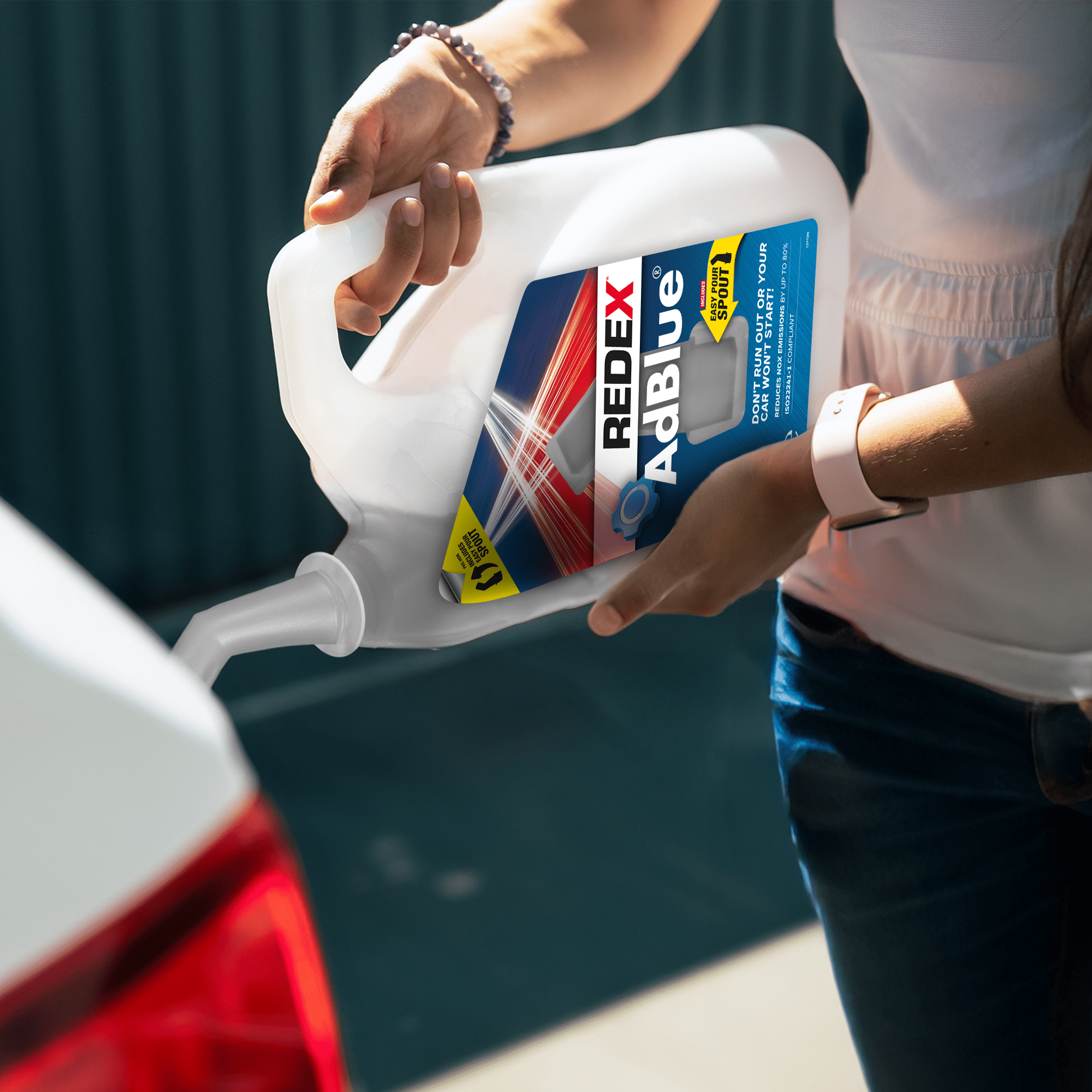
AdBlue®
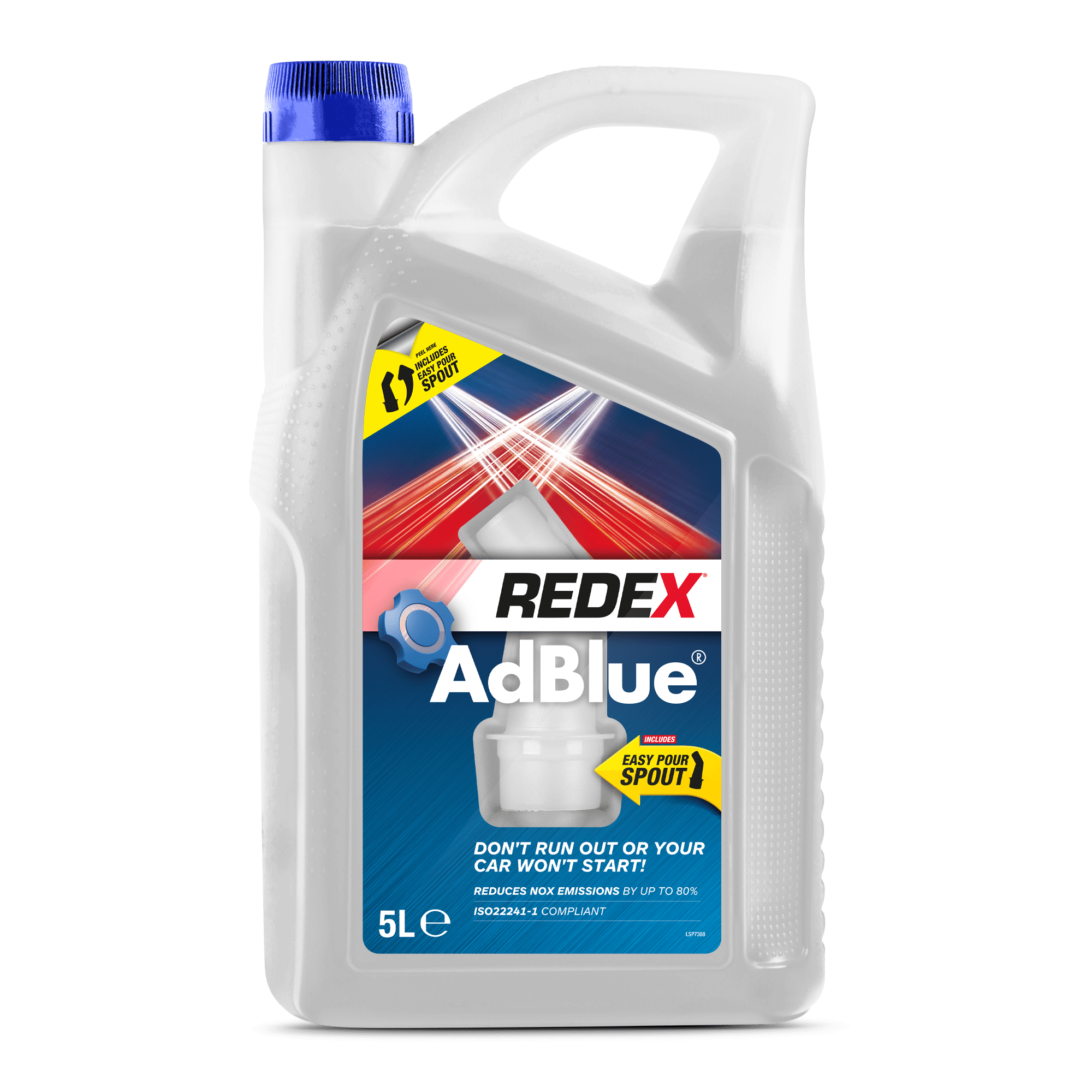
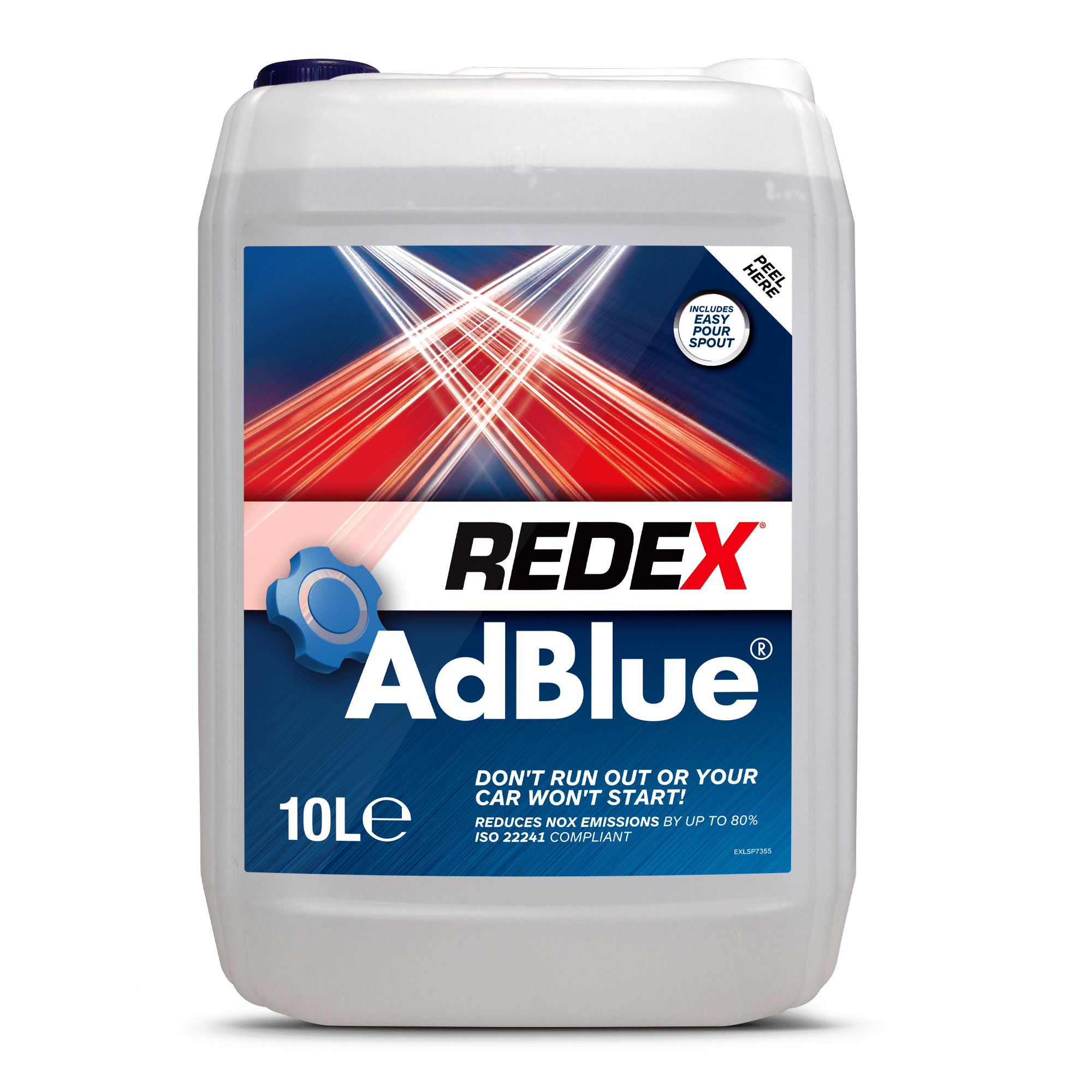
AdBlue® is a trusted diesel exhaust fluid (DEF) designed to help reduce the harmful emissions from diesel vehicles. It’s used for diesel cars built after September 2015 with Selective Catalytic Reduction (SCR) systems, designed to reduce and maintain low emissions.
- Reduces NOx emissions by up to 80%
- Easy-pour solution
- Conforms to latest Euro 6 emissions standards
- Keep in the boot to top up when necessary
AdBlue® is a reputable diesel exhaust fluid (DEF), developed by scientists and tested in real-world conditions. Made from demineralised water and automotive urea, it’s injected into the exhaust system, converting NOx emissions into nitrogen (N₂) and water (H₂O)., to make the car’s exhaust fumes more environmentally friendly.
It’s an essential fluid for most modern diesel vehicles, and without it your car won’t start.
If you run out of AdBlue® while driving, the vehicle may enter a reduced power or ‘limp’ mode, resulting in a significant drop in engine performance. This because, as emissions spike, your car will enter ‘limp’ mode, which means a limited top speed and loss of power to electricals like the stereo and air conditioning. Then, once you stop, you won’t be able to start the engine again until you top up with AdBlue®.
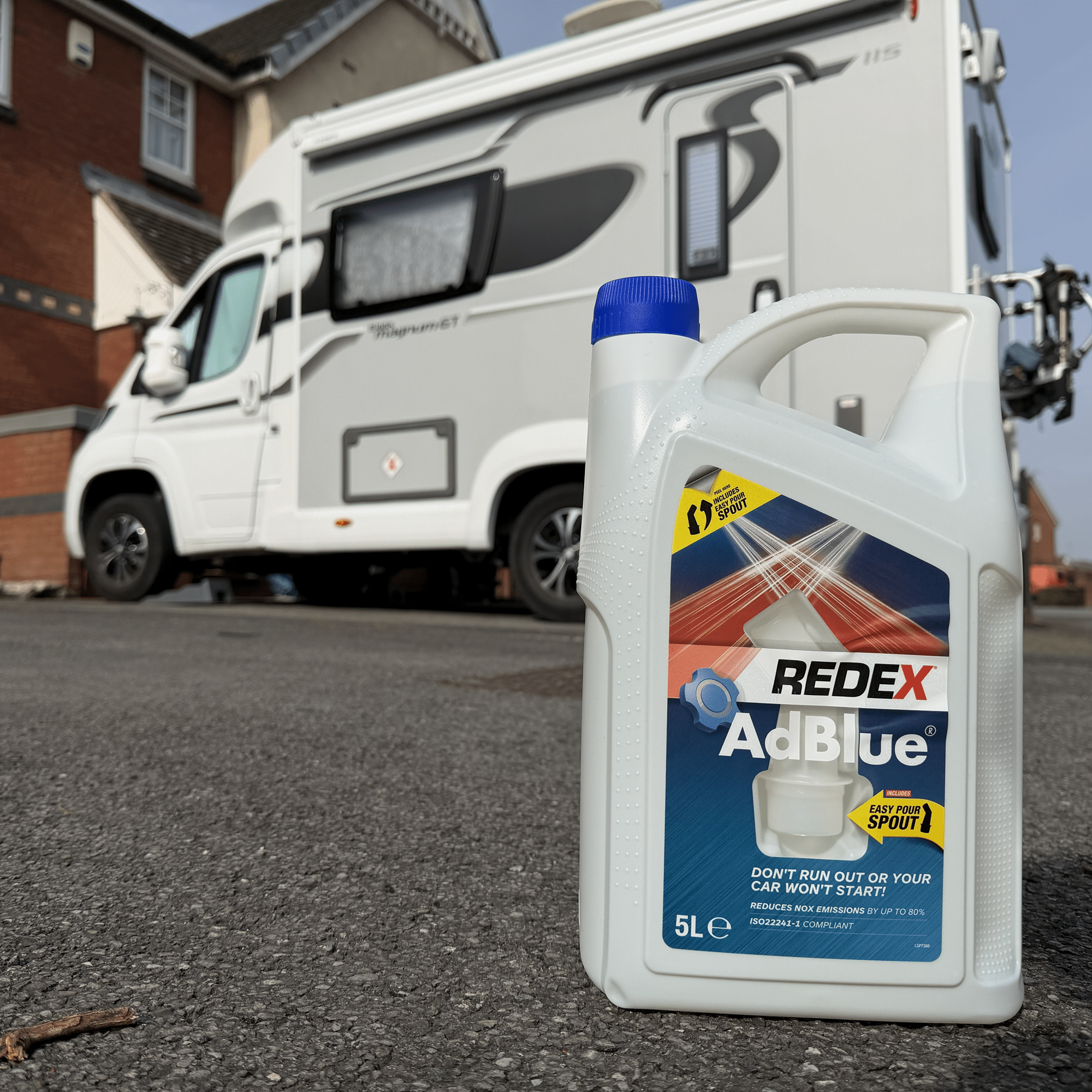
Never ignore a low AdBlue® warning on your dashboard. Instead, keep a container of AdBlue® in your car to easily top up. You’ll find 4L, 5L and 10L litre options here.
For more information on what AdBlue® is and how it works, see our guide.
Name: AdBlue® 4 Litres
Manufacturer’s Code: RADD0028A
Name: AdBlue® 5 Litres
Manufacturer’s Code: RADD0033A
Name: AdBlue® 10 Litres
Manufacturer’s Code: RADD0032A
How to Use:
Redex AdBlue® is easy to use. Follow these steps to ensure you add the product accurately in your vehicle.
- Locate the AdBlue® filler cap. Depending on your vehicle make and model, it may be located next to the fuel filler cap or in another easily accessible area. Refer to your vehicle’s manual if you’re unsure about the exact location.
- Open the AdBlue® filler cap to access the AdBlue® tank. Some vehicles may require you to remove a cover or panel to access the tank.
- Before topping up, it’s a good idea to check the AdBlue® level and top up if it is at or below the minimum level. Some vehicles may have a dashboard warning light that indicates when AdBlue® is running low.
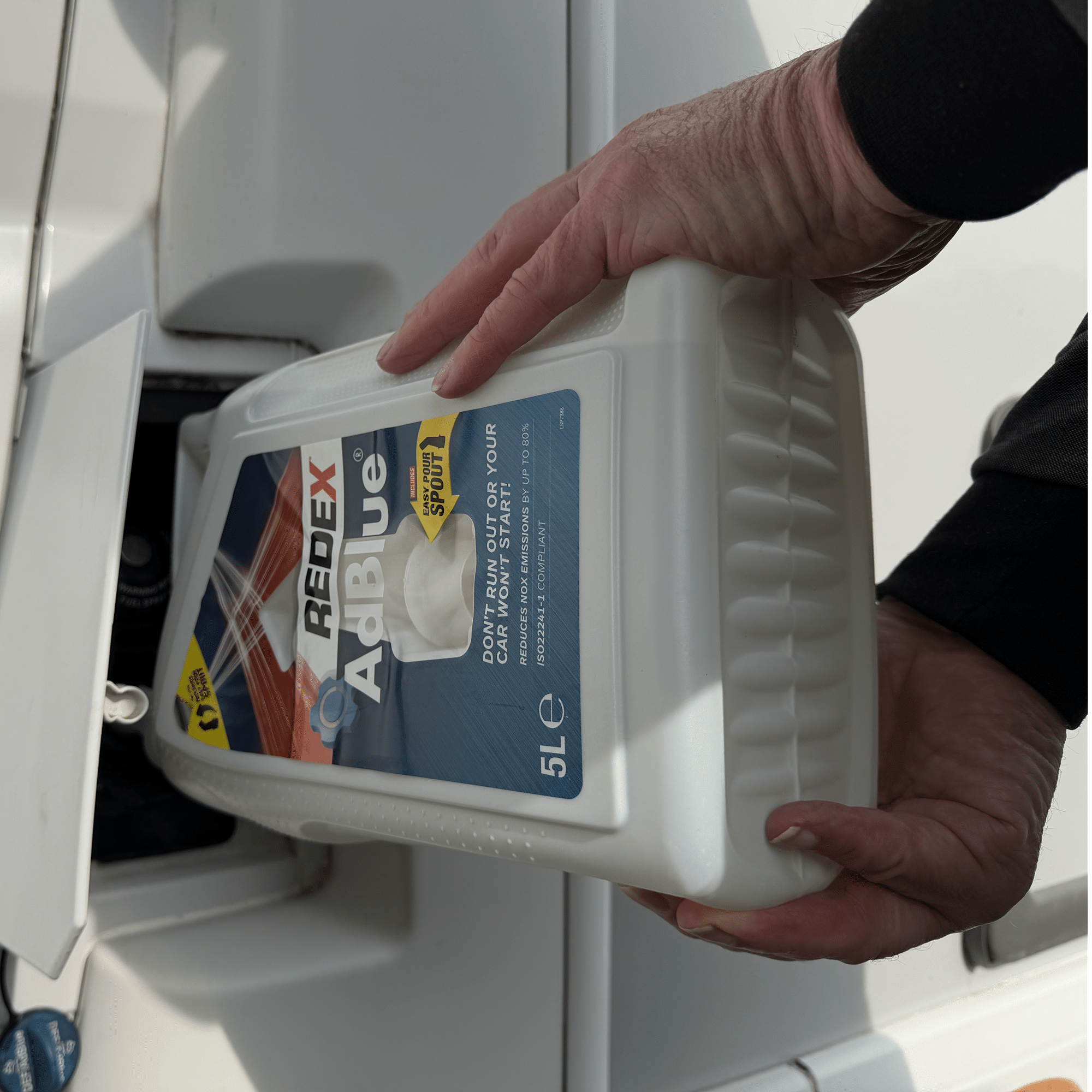
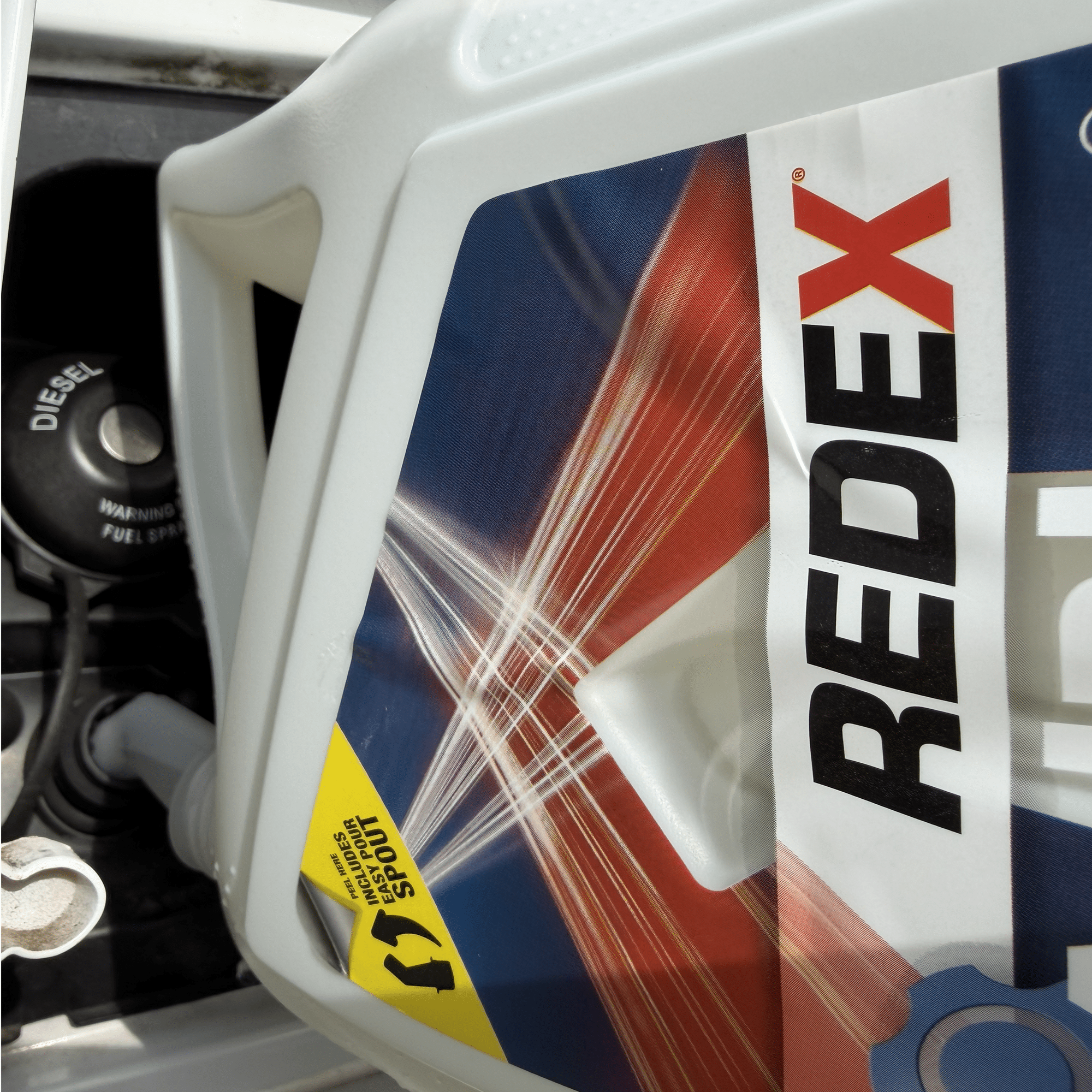
- Carefully pour the AdBlue® fluid into the tank, taking care not to spill any on the vehicle’s exterior or surrounding components. Use a funnel if necessary to prevent spills.
- Stop adding AdBlue® once the tank is filled to the recommended level. Overfilling can cause spillage and may lead to issues with the vehicle’s AdBlue® system.
- Once you’ve topped up the AdBlue® tank, securely replace the filler cap to prevent any contaminants from entering the tank.
SDS Information
You can find SDS/regulatory safety information for our products here. You can also find this link at the bottom of every page on Holts’ website.
This link takes you to a database containing MSDS sheets for all Holts products, including Tyreweld, Gun Gum, Radweld, Wondarweld, De-Icer and more. Simply select the relevant product in the drop down and you will be provided with all regulatory information for any Holts product.
If you have any further questions or concerns about Holts products or our ingredients, you can contact our chemists here. Our experienced team use rigorous testing and follow regulatory procedures to bring you safe, high quality products, and our team will be happy to help you with your query.
AdBlue® should be stored out of direct sunlight and away from a heat source. It also needs to be kept above freezing.
Together, the vehicle and chemical manufacturers have developed a quality standard (ISO 22241) to define the solution (Diesel exhaust fluid) to be used in Diesel Selective Catalytic Reduction systems.
To make it easy for customers to recognise DEF of the correct quality the trademark AdBlue® is used throughout Europe, Australia and New Zealand.
The German Association of the Automotive Industry (VDA) controls this “AdBlue®” trademark and uses it to ensure quality standards are maintained in accordance with DIN 70070 and ISO 22241 specifications.
The Redex product features the AdBlue® trademark and therefore it has to conform to the industry recognised quality standard ISO 22241.
We advise you to take the vehicle to a mechanic. Provided the liquid has not been diluted in some way with water or another liquid after purchase, then all our AdBlue® is within specification and cannot leave the factory out of specification. For every batch of AdBlue® we make, we hold a retained sample of the liquid for its entire shelf life. This allows us to check any batch for purity at any time. This warning usually happens on older vehicles and is due to the sensors ageing
No there’s only one type of AdBlue® and that conforms to ISO 22241. The subsections detail a different part of the ISO standard, so 22241-3 is all about the handling and storage of AdBlue®, for example.
AdBlue® has an 18-month shelf life from date of manufacture if it is kept out of sunlight and below 25°C. If it is kept below 17°C and out of direct sunlight it will have a 24-month shelf life. Once the bottle has been opened, any remaining AdBlue® will have a shorter shelf life as it has been exposed to the atmosphere.
No, for a product to be called AdBlue® it must meet ISO 22241. All our AdBlue® meets the relevant standard.
If it’s the 5 Litre product, it will be the line, then the date backwards. E.g. A2 250722 (So line A2, 22/7/2025).
No, you can’t drive a modern diesel car (post-2015) without using AdBlue® if it has an SCR. If you don’t use AdBlue, your car’s engine won’t meet the latest emissions standards. What’s more, the engine is programmed to limit power and even prevent restarting completely without AdBlue® in the system.
The yellow warning light for AdBlue® on your dashboard typically means there is around 1,000 miles left of the fluid. While you still have plenty of time, you shouldn’t ignore the warning.
Most modern diesel vehicles that have Euro 5 and Euro 6 engines will require AdBlue®. This includes cars and vans, but also HGVs, buses or coaches, agricultural machinery and construction equipment too.
AdBlue® is a reputable diesel exhaust fluid (DEF), developed by scientists and tested in real-world conditions. Made from demineralised water and automotive urea, it’s injected into the exhaust system, converting NOx emissions into nitrogen (N₂) and water (H₂O)., to make the car’s exhaust fumes more environmentally friendly.
It’s an essential fluid for most modern diesel vehicles, and without it your car won’t start.
If you run out of AdBlue® while driving, the vehicle may enter a reduced power or ‘limp’ mode, resulting in a significant drop in engine performance. This because, as emissions spike, your car will enter ‘limp’ mode, which means a limited top speed and loss of power to electricals like the stereo and air conditioning. Then, once you stop, you won’t be able to start the engine again until you top up with AdBlue®.
Never ignore a low AdBlue® warning on your dashboard. Instead, keep a container of AdBlue® in your car to easily top up. You’ll find 4L, 5L and 10L litre options here.
For more information on what AdBlue® is and how it works, see our guide.
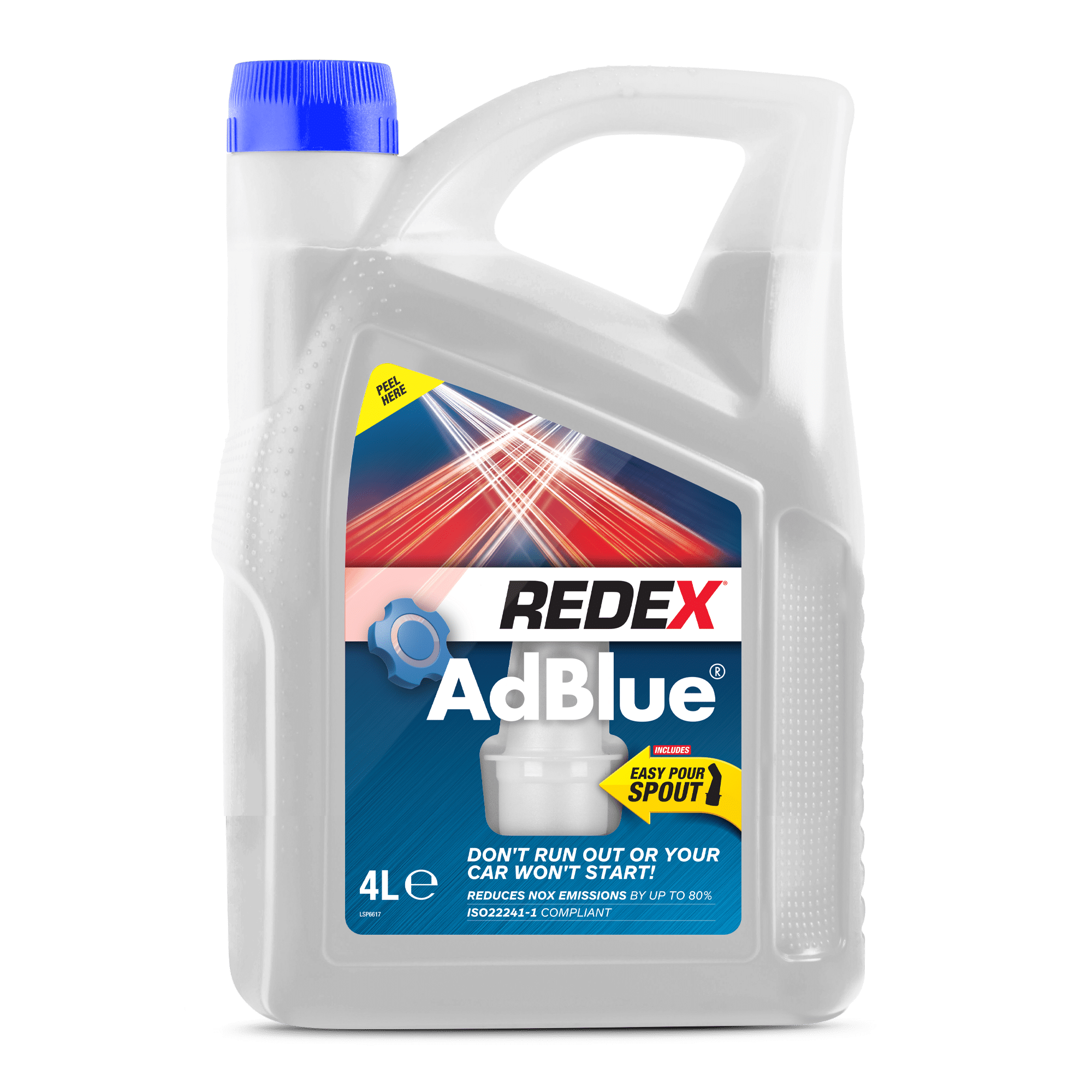
Name: AdBlue® 4 Litres
Manufacturer’s Code: RADD0028A
Name: AdBlue® 5 Litres
Manufacturer’s Code: RADD0033A
Name: AdBlue® 10 Litres
Manufacturer’s Code: RADD0032A
How to Use:
Redex AdBlue® is easy to use. Follow these steps to ensure you add the product accurately in your vehicle.
- Locate the AdBlue® filler cap. Depending on your vehicle make and model, it may be located next to the fuel filler cap or in another easily accessible area. Refer to your vehicle’s manual if you’re unsure about the exact location.
- Open the AdBlue® filler cap to access the AdBlue® tank. Some vehicles may require you to remove a cover or panel to access the tank.
- Before topping up, it’s a good idea to check the AdBlue® level and top up if it is at or below the minimum level. Some vehicles may have a dashboard warning light that indicates when AdBlue® is running low.
- Carefully pour the AdBlue® fluid into the tank, taking care not to spill any on the vehicle’s exterior or surrounding components. Use a funnel if necessary to prevent spills.
- Stop adding AdBlue® once the tank is filled to the recommended level. Overfilling can cause spillage and may lead to issues with the vehicle’s AdBlue® system.
- Once you’ve topped up the AdBlue® tank, securely replace the filler cap to prevent any contaminants from entering the tank.
SDS Information
You can find SDS/regulatory safety information for our products here. You can also find this link at the bottom of every page on Holts’ website.
This link takes you to a database containing MSDS sheets for all Holts products, including Tyreweld, Gun Gum, Radweld, Wondarweld, De-Icer and more. Simply select the relevant product in the drop down and you will be provided with all regulatory information for any Holts product.
If you have any further questions or concerns about Holts products or our ingredients, you can contact our chemists here. Our experienced team use rigorous testing and follow regulatory procedures to bring you safe, high quality products, and our team will be happy to help you with your query.
AdBlue® should be stored out of direct sunlight and away from a heat source. It also needs to be kept above freezing.
Together, the vehicle and chemical manufacturers have developed a quality standard (ISO 22241) to define the solution (Diesel exhaust fluid) to be used in Diesel Selective Catalytic Reduction systems.
To make it easy for customers to recognise DEF of the correct quality the trademark AdBlue® is used throughout Europe, Australia and New Zealand.
The German Association of the Automotive Industry (VDA) controls this “AdBlue®” trademark and uses it to ensure quality standards are maintained in accordance with DIN 70070 and ISO 22241 specifications.
The Redex product features the AdBlue® trademark and therefore it has to conform to the industry recognised quality standard ISO 22241.
We advise you to take the vehicle to a mechanic. Provided the liquid has not been diluted in some way with water or another liquid after purchase, then all our AdBlue® is within specification and cannot leave the factory out of specification. For every batch of AdBlue® we make, we hold a retained sample of the liquid for its entire shelf life. This allows us to check any batch for purity at any time. This warning usually happens on older vehicles and is due to the sensors ageing
No there’s only one type of AdBlue® and that conforms to ISO 22241. The subsections detail a different part of the ISO standard, so 22241-3 is all about the handling and storage of AdBlue®, for example.
AdBlue® has an 18-month shelf life from date of manufacture if it is kept out of sunlight and below 25°C. If it is kept below 17°C and out of direct sunlight it will have a 24-month shelf life. Once the bottle has been opened, any remaining AdBlue® will have a shorter shelf life as it has been exposed to the atmosphere.
No, for a product to be called AdBlue® it must meet ISO 22241. All our AdBlue® meets the relevant standard.
If it’s the 5 Litre product, it will be the line, then the date backwards. E.g. A2 250722 (So line A2, 22/7/2025).
No, you can’t drive a modern diesel car (post-2015) without using AdBlue® if it has an SCR. If you don’t use AdBlue, your car’s engine won’t meet the latest emissions standards. What’s more, the engine is programmed to limit power and even prevent restarting completely without AdBlue® in the system.
The yellow warning light for AdBlue® on your dashboard typically means there is around 1,000 miles left of the fluid. While you still have plenty of time, you shouldn’t ignore the warning.
Most modern diesel vehicles that have Euro 5 and Euro 6 engines will require AdBlue®. This includes cars and vans, but also HGVs, buses or coaches, agricultural machinery and construction equipment too.