Diesel engines have been powering the world’s economy for years, packing 10-15% more chemical energy than petrol, making it a more efficient power source. It isn’t, however, without its drawbacks.
When diesel is burnt, it produces black soot that can lead to health conditions such as cancer or cardiovascular issues. The solution to this problem? A diesel particulate filter (DPF), which helps to capture and neutralise the harmful soot before it leaves the exhaust pipe.
While brilliant at removing particulates, the DPF can be helped even more by following just a few tips to ensure that the filter remains in working order.
What is DPF regeneration?
As we mentioned, the DPF captures soot particles in the filter, which can lead to the DPF becoming clogged, reducing power output and potentially increasing emissions. To solve this, a process called DPF regeneration happens.
This process happens when the exhaust gases are hot enough to burn the accumulated soot and turn it into less harmful compounds like CO2 and H2O.

How does DPF regeneration work?
When diesel cars ignite fuel, naturally, they get very hot, particularly when driving at high speeds for extended periods of time. DPF regeneration uses this excess heat to effectively burn the soot accumulated in the DPF.
Once the internal gases reach temperatures in excess of 550°C, the DPF regeneration begins to burn the soot and turn it into carbon dioxide and water.
This process clears most of the contaminants in the DPF, leaving only ash behind. Because of the leftover ash, a DPF has a limited lifespan. The lifespan can be extended with proper and frequent regeneration cycles.
What are the different types of DPF regeneration?
There are two different types of DPF regeneration – active and passive.
Passive regeneration happens as a result of driving conditions. If the driver is driving at speeds exceeding approximately 40mph for more than 20 minutes or so, the heat of the exhaust gases will begin to burn the particulates trapped in the filter. This process is almost invisible to the driver and does not require extra fuel.
Active regeneration, on the other hand, happens when the car’s sensors detect that the DPF has reached a capacity of between 45% & 70%, depending on the manufacturer. When this is detected, the engine management system initiates a post-injection of fuel in the combustion cycle, which raises the temperature of the exhaust gases enough to burn the accumulated soot.
From a purely economic standpoint, passive regeneration is better because it does not burn more fuel than you require to clear the DPF. However, both passive and active regeneration achieve the same primary purpose: to clear the DPF.
What happens without DPF regeneration?
Without DPF regeneration, active or passive, the DPF would quickly become clogged. This blockage in the DPF restricts airflow, leading to immediate performance issues like sluggish acceleration, reduced power, and poor fuel economy.
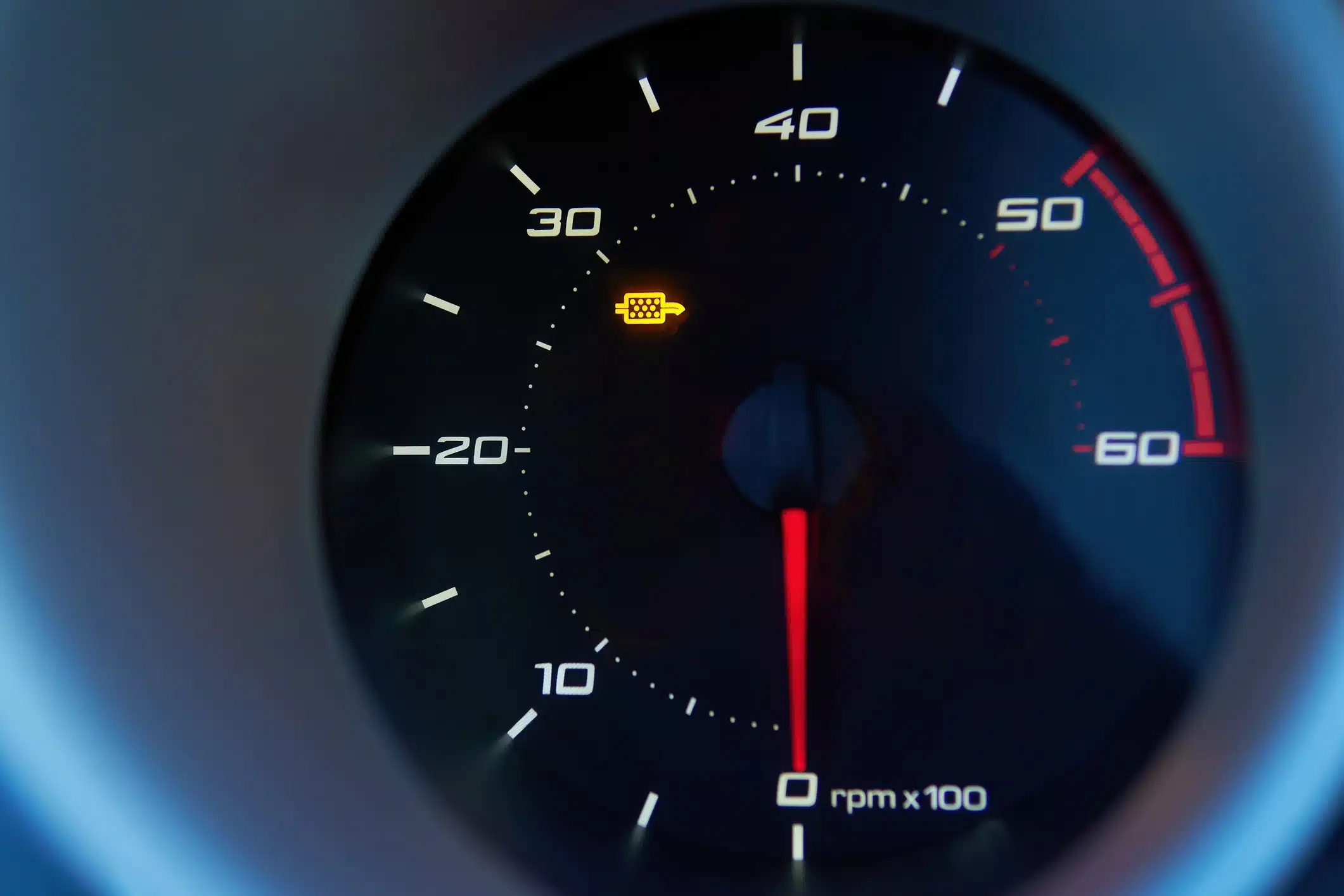
This is usually accompanied by a warning light on the dashboard and will likely require a trip to a mechanic to properly investigate.

Top tips for effective DPF regeneration
To avoid the dreaded illumination on the dashboard, there are a few ways you can give a helping hand to your car to avoid the DPF becoming blocked.
Firstly, you should avoid frequent short journeys that accumulate soot without a DPF regeneration cycle occurring. While the odd trip to the shops isn’t going to kill your DPF, short trips should be accompanied by a longer drive to avoid sitting on your driveway while the car performs an active DPF regeneration.
Fuel levels can also prevent active regeneration. Modern cars aren’t stupid, so they won’t inject more fuel into the engine, which might potentially leave you stranded. Ensuring that your diesel tank is kept above ¼ full.
Using the incorrect engine oil (high-SAPS) can lead to non-combustible ash accumulating in the DPF. In time, this will block the diesel particulate filter, even with proper DPF regenerations.
And for a bit more peace of mind, you can use a diesel additive to reduce the temperature at which the soot will begin to burn. While DPF regenerations are still required, they should become significantly quicker and easier to achieve, while reducing the fuel necessary. Redex DPF Cleaner is a preventative additive that can help you to avoid costly visits to your mechanic.
While DPFs are effective and operate without much user intervention, with the proper know-how, you can ensure that your DPF remains healthy throughout its entire lifespan, giving you the efficiency and power that diesel cars are famed for.