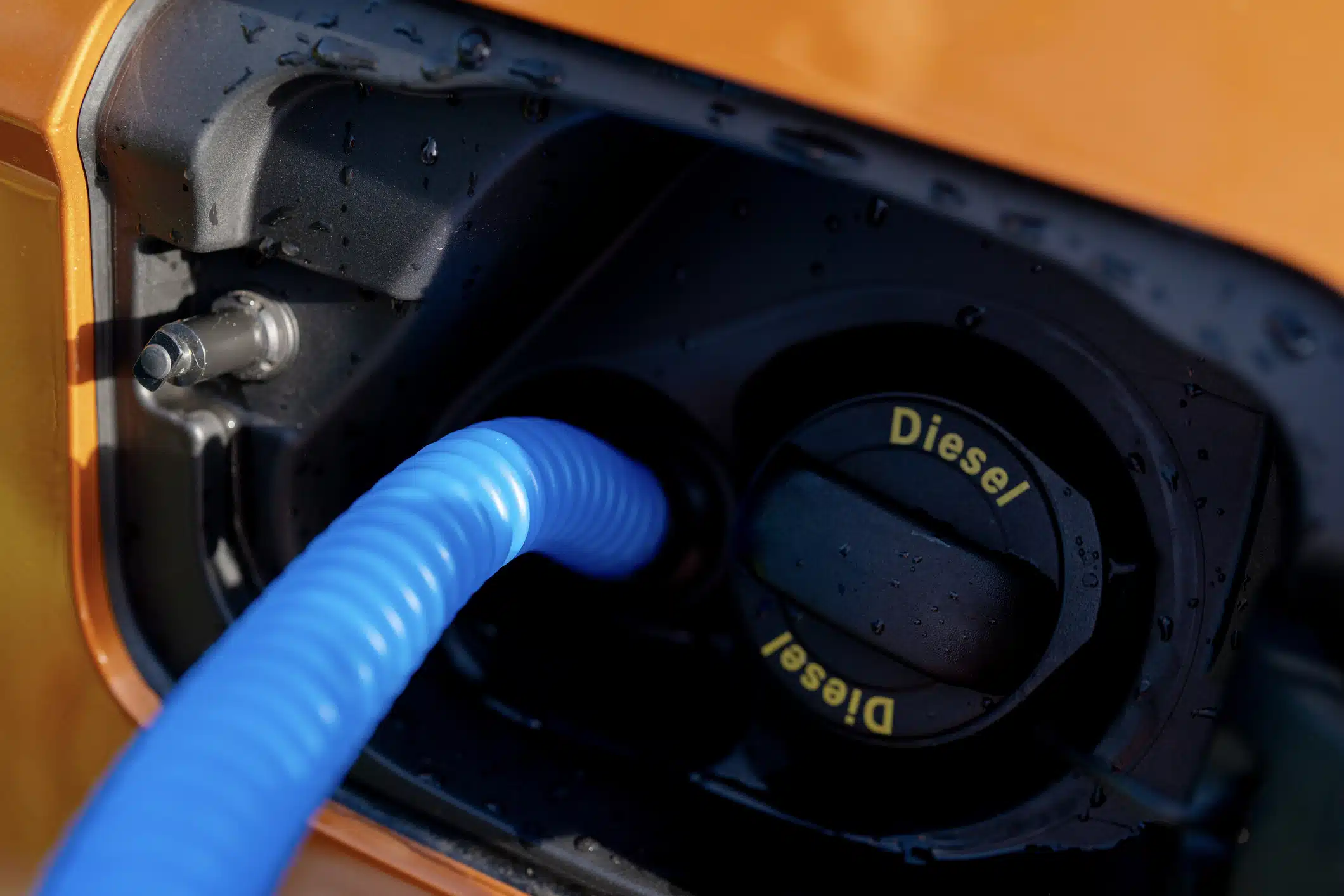
For diesel engines, there are a lot of great additives that can improve the performance and efficiency of your vehicle in many ways. While these additives are effective, they’re not always essential for the running of your diesel engine.
On the other hand, AdBlue® – an emissions reducer – is a necessary additive for some diesel vehicles produced after September 2015 in order to meet Euro 6 emissions standards. It’s important to note that some smaller-displacement diesels achieve Euro 6 compliance through EGR and other systems.
So, what are the differences between compulsory additives like AdBlue® and non-essential additives like Redex Super Fast Emissions Reducer Diesel? Read on to find out…
What is an Emissions Reducer?
Redex’s offering of Emissions Reducers are specifically formulated solutions that provide a deep clean for the vehicle’s system, clearing deposits that may have built up on injectors and the fuel system.
In turn, the cleaner system may produce fewer emissions, helping to pass an MOT and run smoother without the need for a diagnostic scan and costly replacements.
The benefits go further, though. A deep clean of the fuel system can help to give a boost to performance and the overall health of the vehicle, beyond just reducing emissions.

What is AdBlue®?
Although AdBlue® is a diesel additive that reduces emissions, it differs from a typical emissions reducer because it specifically reduces one particular type of emission: nitrogen oxides (NOx).
It works by being injected into the exhaust pipe, where it hydrolyses into ammonia. The ammonia/exhaust mix passes over a catalyst (typically made of materials like titanium oxide or vanadium), and finally, the catalyst triggers a reaction, converting NOx into N2 and H2O.
This vital process significantly reduces harmful emissions, which is a legal requirement to meet Euro 6 Emissions Standards.
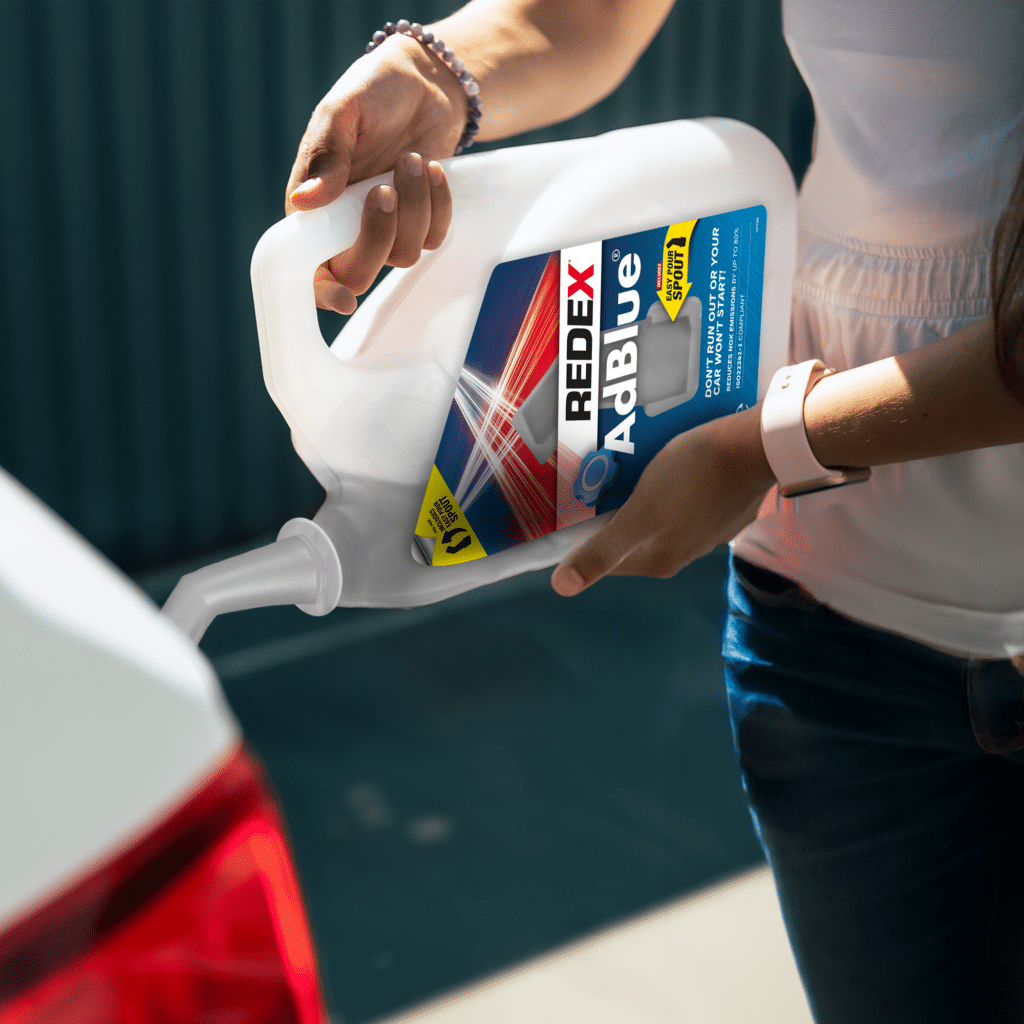
Can I use Redex Emissions Reducer instead of AdBlue®?
It is important to stress that modern (post-2016) diesel vehicles must have AdBlue® in order to operate properly. There are no functional alternatives to AdBlue®, so you cannot use Redex Emissions Reducer as a replacement for AdBlue®; they serve different purposes.
Without AdBlue®, your car’s ECU will progressively limit performance, reducing power in limp mode, and will eventually disable the starter motor entirely. This will deliberately prevent the vehicle from starting until the AdBlue tank is refilled. This is a built-in safeguard, not a fault.
While Redex Emissions Reducer might help your car run more efficiently, it’s not a replacement for AdBlue®, and shouldn’t be used as such.
Do I really need an emissions reducer additive?
There are several key benefits to using additional emissions-reducer additives, which cover environmental, financial, and mechanical.
Firstly, using an emissions reducer in coalition with AdBlue® will help to further reduce emissions. They do this in two ways: primarily by cleaning fuel system deposits to restore proper injector spray and combustion efficiency, and secondarily, by reducing the temperature at which soot burns off in the DPF.
This leads to a car that is better maintained and performs better on the road. Better performance, if handled correctly, can translate to significantly more cash in your pocket with longer intervals between trips to the petrol station.
Across the automotive world, there are countless additives which assert claims of varying accuracy. Redex Emissions Reducer is proven to clean crucial engine components, leading to a drop in harmful emissions. Couple this with the compulsory use of AdBlue® in your diesel vehicle, and the health of your vehicle is in good hands.
For more information, tips, and guides about diesel additives, take a look through our blog or head straight to our diesel products page, which clearly outlines the exceptional products that do what they say on the tin.