
Owning a classic car is more than just possessing a vehicle; it’s about preserving a piece of automotive history. These machines do require special care and attention, though, to keep them running smoothly, and while they may have been built for a different era, modern solutions like fuel additives can be a game-changer in maintaining their longevity and performance.
Whether you’re a seasoned collector or a new classic car enthusiast, understanding how to keep your car in the best condition is crucial to the condition of an already old machine.
In this blog, we’ll explore why fuel additives are beneficial for classic cars, how to use them correctly and what can happen if you neglect this essential step in vehicle maintenance.
Can you use fuel additives in a classic car?
The simple answer is: yes, you can. In a lot of cases, it’s actually preferred, in order to keep these beautiful relics working as they should.
One of the key challenges in maintaining a classic car is using the most suitable fuel. Modern fuels, particularly those with higher ethanol content like E10, are not always compatible with older engines. Classic cars manufactured before 1986 were built when leaded fuel was standard, and without the right care, modern fuels, particularly those containing ethanol, can cause issues such as material degradation in fuel systems not designed for it.
However, using the right fuel additives can help mitigate these problems. Fuel additives are designed to enhance the quality of your fuel, protect your engine, and even restore performance in older cars. While choosing the right fuel is important, such as E5 fuel rather than E10, additives can offer an additional layer of protection and performance boost that’s particularly important for classic cars.
The benefits of using fuel additives in a classic car
Fuel additives might sound like something only for modern cars, but they can provide significant benefits for classic cars too. Fuel additives are designed to improve the quality of fuel, prevent build-up of deposits in the engine and provide a layer of protection to the engine. Let’s take a look at what fuel additives are and why they’re helpful.
Boosting fuel efficiency
Over time, classic cars can become less efficient, especially when using modern fuel blends. Fuel additives help optimise combustion, which can increase fuel efficiency and ensure your engine runs smoothly.
Restoring performance
Engines in older vehicles can suffer from a build-up of carbon, which negatively impacts performance. Additives work to clean this debris so that power and throttle response is better.
Protecting against corrosion
Ethanol, particularly in higher concentrations in E10 fuel, can cause corrosion in classic car engines, leading to potential damage. Fuel additives contain anti-corrosion agents that help prevent rust and deterioration in the fuel system, which is particularly important for maintaining older engines.
How to use fuel additives in a classic car
Now that you know the benefits, how do you go about using fuel additives in your classic car? It’s essential to choose the right product based on your car’s needs. Here are three of our most popular fuel additives and how they can help:
Redex Power Booster
Classic cars generally run best on high-octane fuel, which can be harder to find today. If you’re forced to use lower-octane fuel, Redex Power Booster is the perfect solution. It increases the octane level of your fuel, helping your classic car run more efficiently and reducing the risk of engine knocking. This additive is available for both petrol and diesel cars.
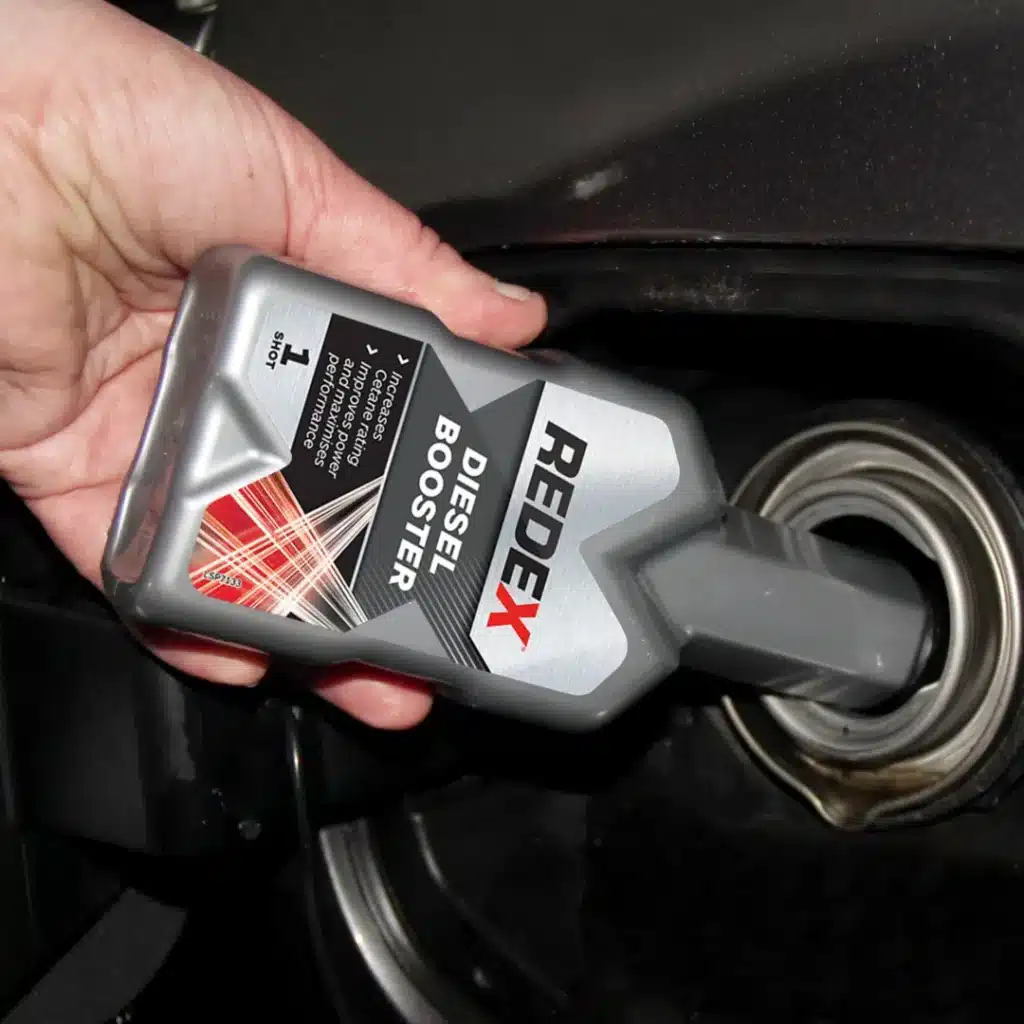
Redex System Cleaner
With the rise of E10 fuel, engine corrosion is a growing concern for lovers of classic cars. The Redex System Cleaner protects against corrosion, especially from ethanol’s damaging effects. By using this additive, you’ll help ensure your engine remains free from build-up and continues to perform at its best. This product is available for petrol and diesel.
Redex Lead Replacement
Many classic cars were originally designed to run on leaded fuel, which has long since been phased out. Rather than converting your engine to cope with unleaded fuel, you can use Redex Lead Replacement. This additive is specifically designed for vintage and classic cars, allowing them to run on modern unleaded fuel without the risk of damaging your engine.
What happens if you don’t use a fuel additive in a classic car?
If you decide not to use fuel additives in your classic car, it may cause engine problems over time that may eventually cause significant – and expensive – problems.

Modern fuels like E10 contain bioethanol, which can cause corrosion in older fuel systems. Without additives to counteract these effects, you may experience engine damage, corrosion and most noticeably, reduced performance from your beautiful machine.
While not all classic cars will suffer immediate damage from using modern fuels, over time, the cumulative effects can result in costly repairs and performance loss.
Maintaining a classic car is a labour of love, and using the right fuel and additives can make all the difference in keeping it running smoothly for many more years to come.
Fuel additives not only boost performance and fuel efficiency but also protect against corrosion and wear, which is especially important in older vehicles. By incorporating modern solutions like Redex’s range of products into your maintenance routine, you’ll ensure your classic car remains in the best condition.
For more tips and advice on maintaining your classic car, check out our help and advice section.