Maintaining your car is crucial to ensure that it stays working at its best, and this involves checking and replacing various fluids – not least engine oil. However, many people are guilty of skipping this essential maintenance step due to a lack of knowledge or fear of the process. So, to help you gain confidence and perform these tasks without professional help, we’ve created an easy-to-follow guide.
Here we’ll be focusing on changing or topping up your car oil, including selecting the right oil for your car and the necessary tools for the job. Whether you need to top up your engine oil level or perform a full oil change, our comprehensive guide contains all the information you need.
What do you need to do an oil change?
To ensure that your oil change goes smoothly, you’ll need to have the right tools and equipment on hand. What you’ll need to perform an oil change will vary depending on several factors, such as the make and model of your car, the type of oil you use, and the condition of your car’s engine.
Here is a handy step-by-step to help you carry out an oil change successfully:
- Make sure you have the correct engine oil: This will be specified in your car’s manual. You’ll also need an oil filter, which is responsible for removing contaminants from the oil, and an oil drain pan to catch the old oil during the draining process. Additionally, you should have a funnel to help you pour the new oil into the engine without spilling it, and a wrench for oil filter and drain plug removal.
- Be aware of safety precautions: We recommend wearing [LR1] gloves to protect your hands from the oil and other contaminants. Keep a few rags nearby too, since these will come in handy for cleaning up any spills or drips that you or somebody else could fall on.
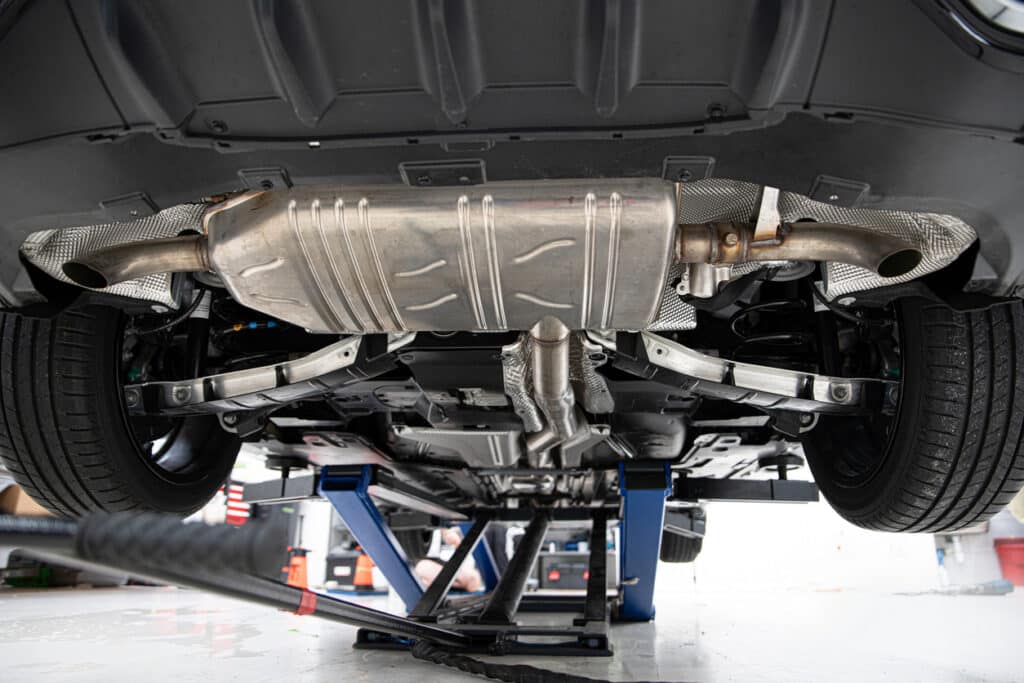
- Check if you need a jack: If the ground clearance of your car is lower, you’re likely to require a jack to lift the car above the ground and allow you to access the underside of the car. This is where you’ll be draining the old oil, so you must be able to reach underneath.
- Have a wheel block to hand: It’s helpful to have a wheel block to restrain the car and prevent it from rolling away. This can be a piece of sturdy wood or something else strong enough to hold the car from behind one of the rear wheels.
How to Change Your Car Oil: Step-by-Step
Proper maintenance of your car’s engine oil is essential for the longevity and performance of your vehicle. Be sure to refer to your owner’s manual for the manufacturers guidelines on when to change your car’s engine oil. This will ensure that the engine can continue running smoothly and efficiently and helps to prevent any potential engine problems.
Step 1: find the right oil type for your car & purchase
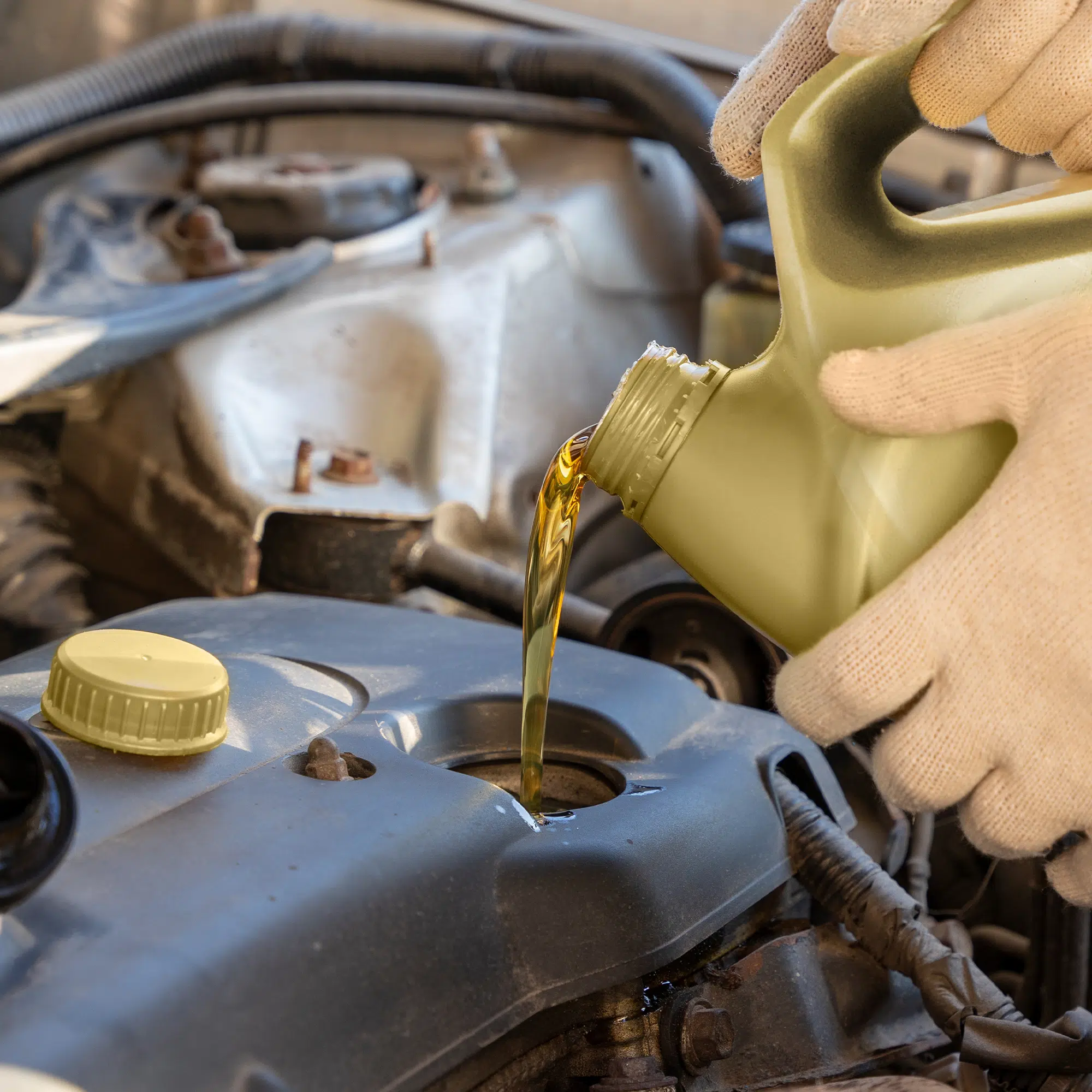
The first step is to find the right type of oil for your car which can be done by checking the owner’s manual. It’s vital to choose the correct oil viscosity and type recommended for your car’s engine because it’ll offer the best protection for your engine and the moving parts the oil lubricates.
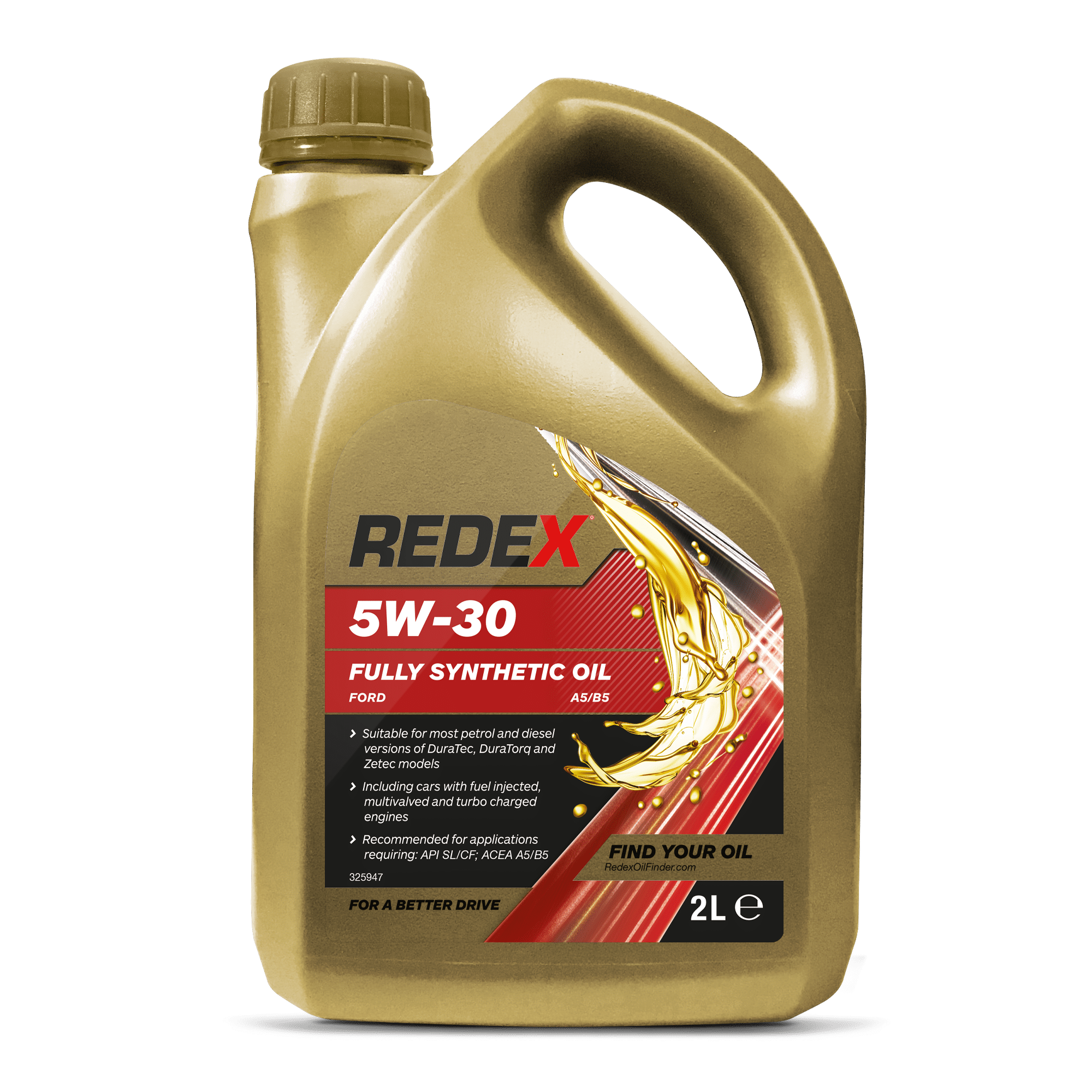
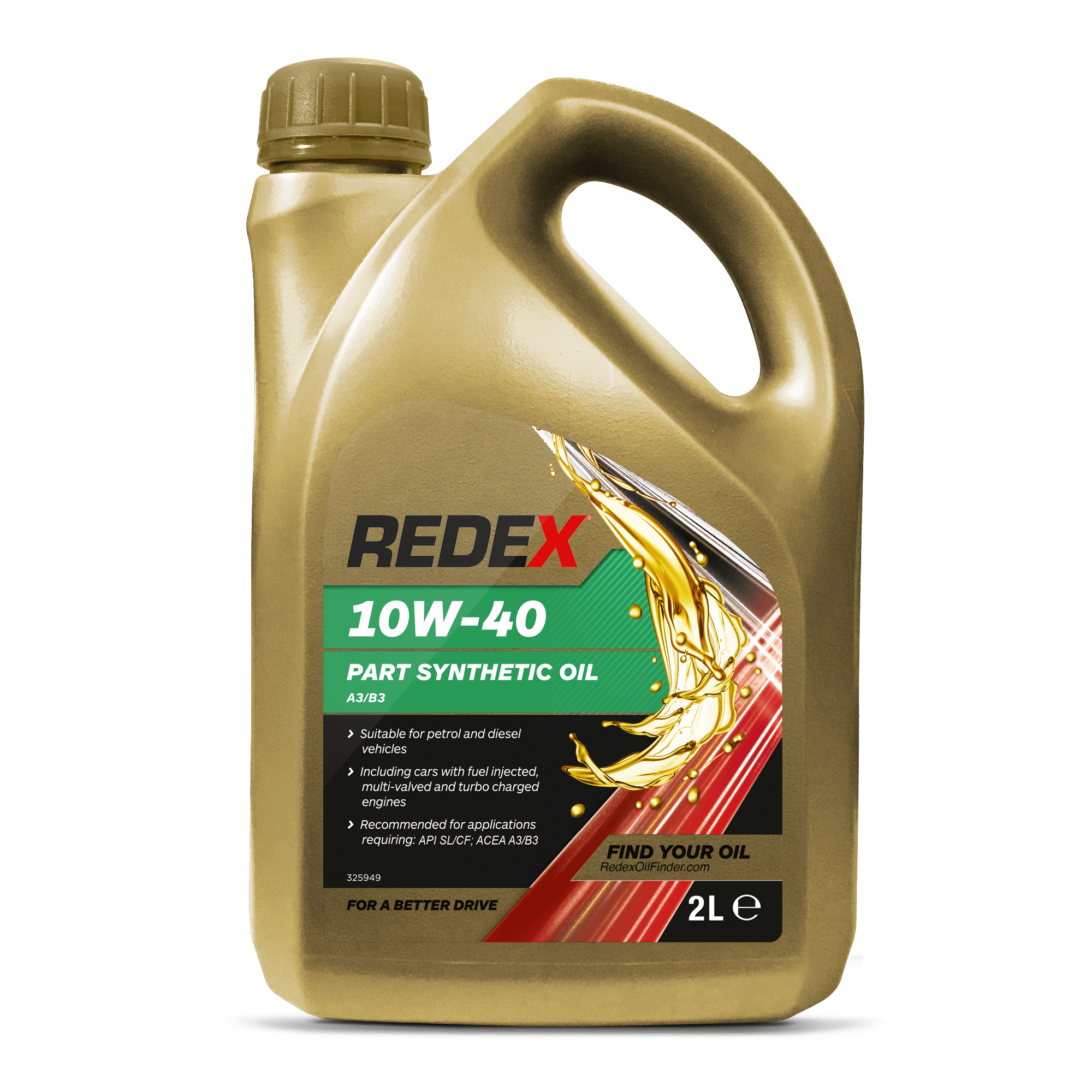
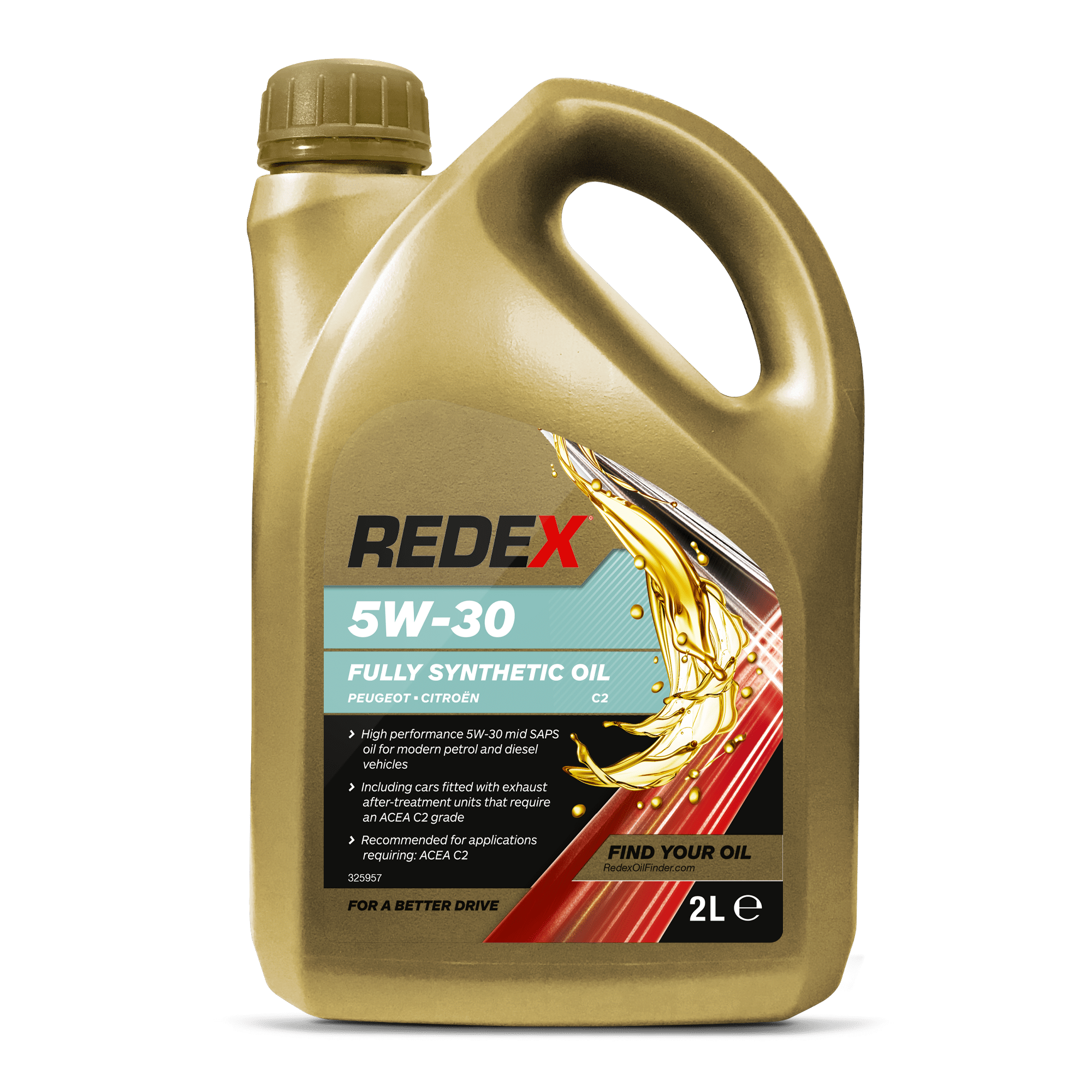
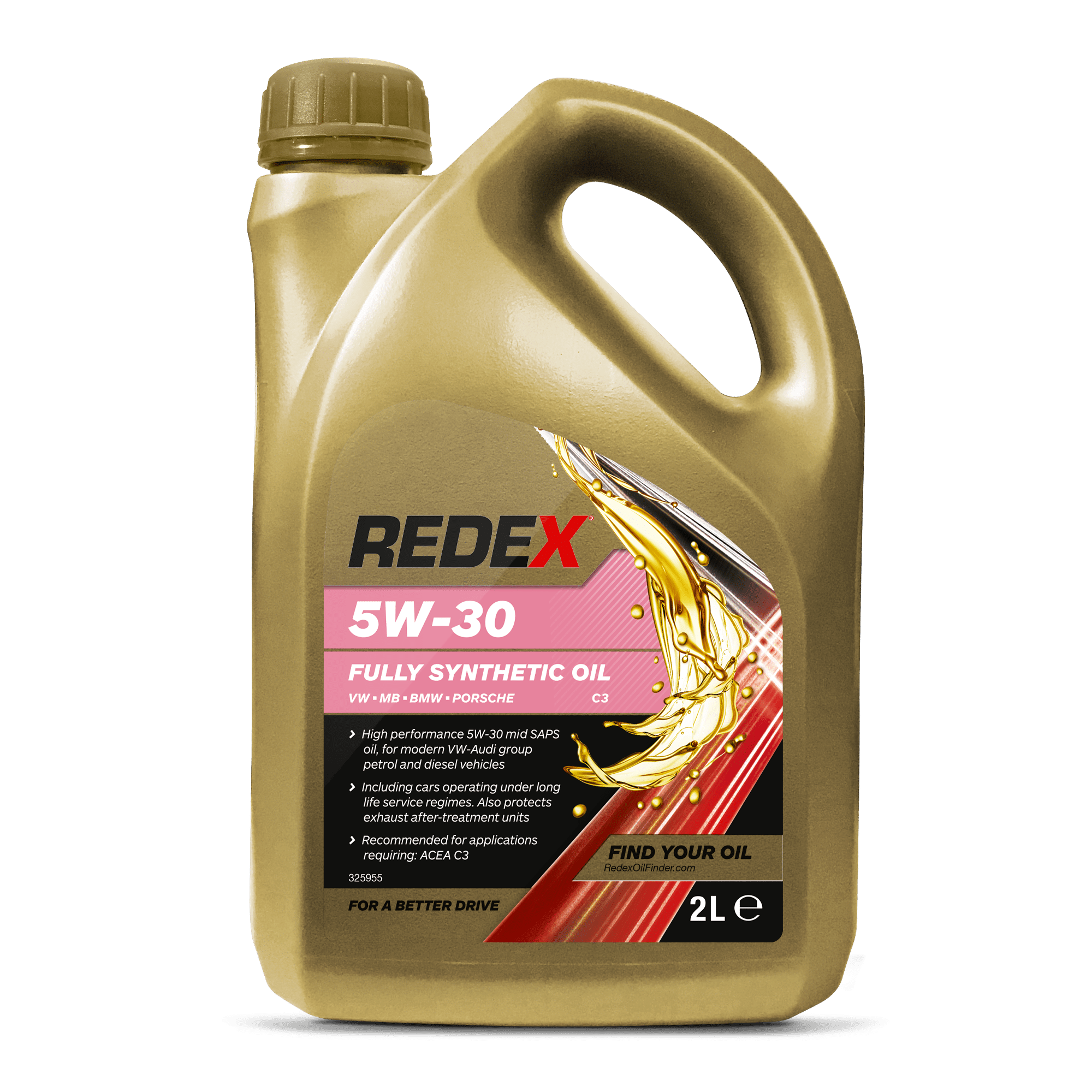
Once you’ve determined the best oil type, you can purchase it from a reputable supplier. Our Redex engine oils are designed to maximise the life of your car and its engine. With our excellent range of fully synthetic and part-synthetic motor oils, we can guarantee the best protection and optimal engine health for years to come.
Step 2: Park flat & lift the car if necessary
Parking on a flat surface is essential for making sure that you’re working with a level oil tank and that your oil readings are accurate.
You might also need to lift the car using a jack if the ground clearance is low. To do this, place a car jack beneath the jacking point (typically at the front of the chassis) and rotate the crank clockwise until the car is around 40-50cm from the ground. This will give you plenty of room to work around all sides of the car and drain the oil correctly.
Step 3: Drain the old oil
Place the drain pan underneath the engine drain plug, which is typically found towards the front of the car. Next, open the bonnet and twist off the cap on the oil tank. This will increase airflow and help the oil drain faster.
You’ll then need to reach underneath the car to unscrew the oil plug using a wrench. Apply inward force and use an anti-clockwise motion to loosen it without making too much of a mess. Once the bolt is fully unscrewed, pull it away as quickly as possible. The oil should drain out fairly quickly so wait a few minutes and ensure it’s completely finished before reinserting the plug and tightening it.
Step 4: Replace the oil filter
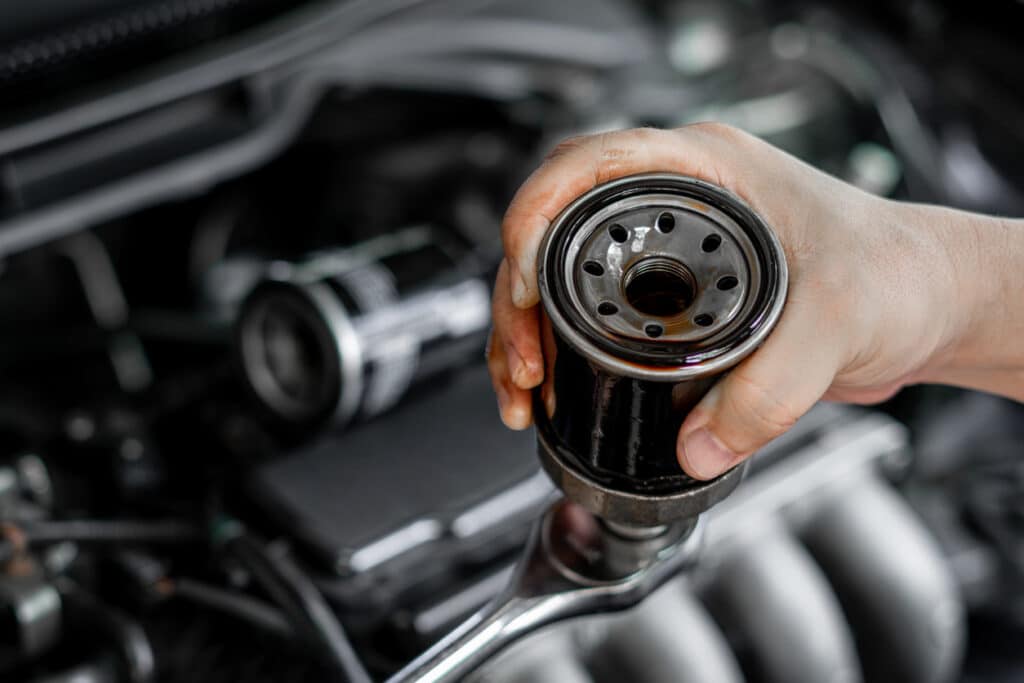
First, locate the filter assembly under the bonnet. Its placement typically varies based on your car’s make and model, which means it could be found anywhere in the engine bay. The filter will be either a white, blue or black cylinder. Once you’ve located it, twist the oil filter anti-clockwise to remove it. Your drain pan should be underneath to catch any oil spillages. Next, apply a small amount of oil to the gasket with your finger to prepare the new filter. Finally, screw your new filter into place using a clockwise motion.
Step 5: Add the new oil
Hold the bottle of new oil with the spout facing you and turn it over to pour it into the oil tank. This method will reduce bubbling and help the oil pour out smoothly. Once you’ve filled the tank with enough oil as stated in your owner’s manual, remove the funnel and replace the cap.
Step 6: Dispose of the old oil correctly
Transfer the oil to a sealable, waterproof container and mark it clearly. You can then either recycle it or find a local oil collection site. Oil shouldn’t be disposed of with your general waste or poured down the drain since this can be bad for the environment.
How to Check & Top Up Your Engine Oil
Sometimes a top-up of oil is needed. But to know when this is necessary, you’ll need to understand how to check your engine oil levels.
You’ll need the following:
- The correct oil as specified in your car’s handbook
- A funnel
- Paper towels
- Rubber gloves
Park your car level & switch off the engine
Before checking the oil levels of your car’s engine, it’s recommended to park it on a level surface. This will ensure that the reading is accurate and not affected by any slope. Additionally, it’s crucial to turn off the engine and let it cool down for at least 10 minutes if you have been driving it. Ideally, you should check the oil before starting the car or driving it if possible.
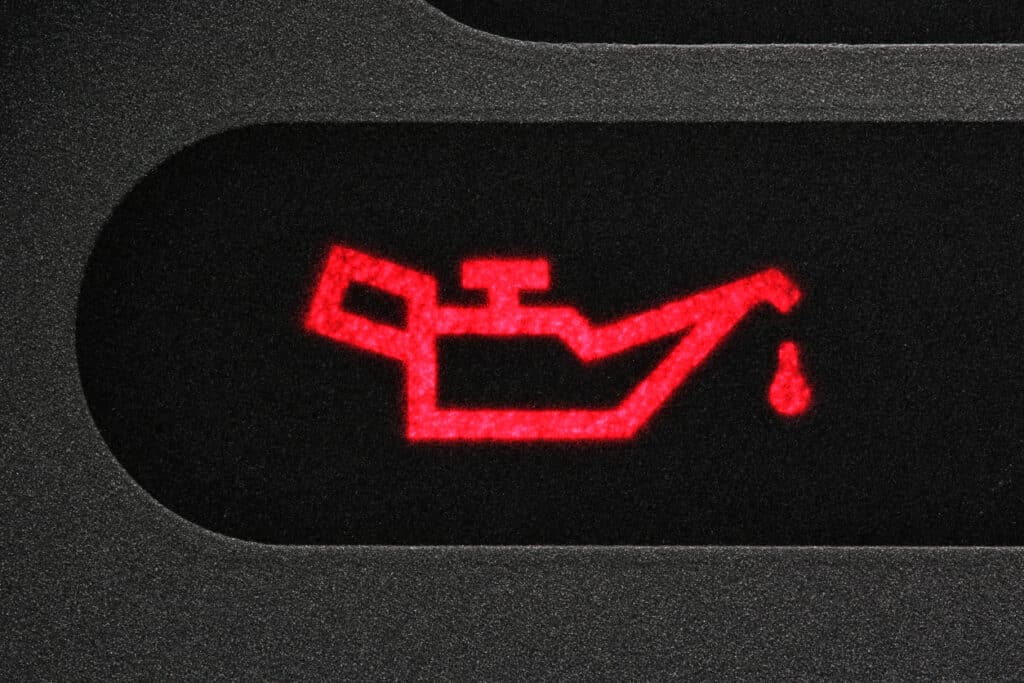
It’s important to never attempt to check anything under the bonnet while the engine is still running or hot from use. Not only can this be dangerous, but it could give you an inaccurate reading since hot oil is thinner.
Check your engine oil levels
To check your engine oil, open the bonnet and locate the dipstick. This usually has a brightly coloured handle, but if you’re struggling to find it, check your car’s manual.
The next step is to remove the dipstick and wipe it clean with your paper towels. This should reveal two marks on the end of the dipstick; one representing the minimum oil level and the other indicating the maximum.
Dip the dipstick back into the oil to find out where your oil levels sit between the markers.
Top up the engine oil
If you discover that you’re running low on engine oil, this will need to be topped up. For reference, the difference between the minimum and maximum markers on your dipstick is typically 1 litre of oil. So if your levels are on the minimum line, you’ll need to add around 1 litre of engine oil. Twist off the oil tank cap, insert your funnel and begin pouring the oil. If you’re not sure how much is needed, take the process slowly and add small amounts at a time until you think you’ve added enough. You can then repeat the checking process to see where your oil levels are. Once you’ve added the correct amount of oil, remove the funnel and replace the oil tank cap.
Regularly changing your car’s engine oil is a simple yet effective way to keep your car running smoothly and avoid any potential engine problems. By following these steps, you can ensure that your car’s engine is well-maintained and performing at its best. For more tips, check out our blog.