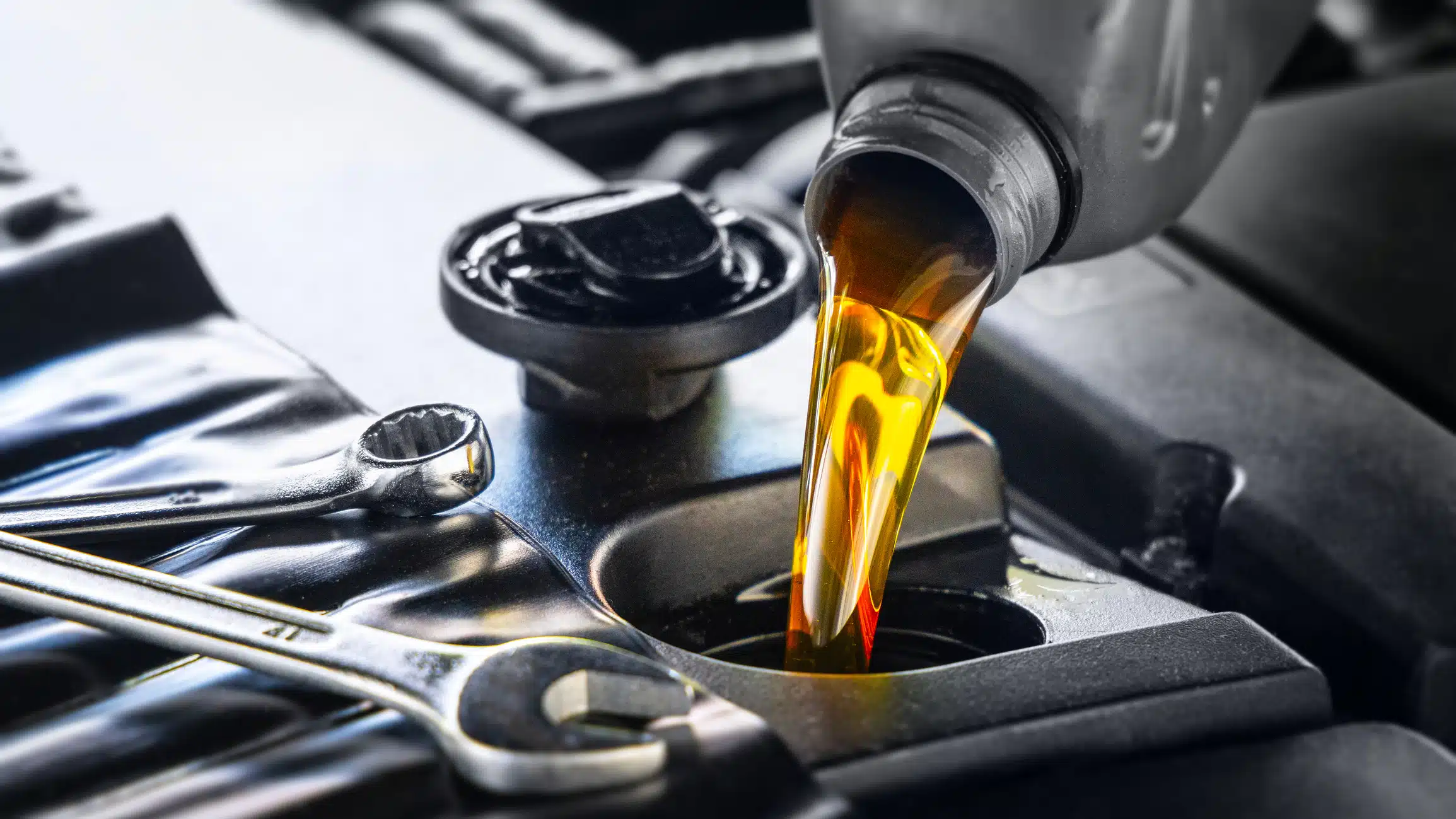
Engine oil is an essential part of your vehicle, and without it you’d likely come across problems. It plays a number of roles to ensure your engine runs effectively, so making sure you’re using the right oil and keeping it topped up is an important part of car ownership.
Here, we’ll take a closer look at the functions and benefits of engine oil so that you can understand why it needs to be maintained.
What does engine oil do?
Engine oil fulfils several roles, each of which is important to help your vehicle run smoothly and efficiently. Its primary function is to provide lubrication for the engine parts. Within the engine, the various parts are subject to constant friction, which can eventually lead to wear and tear. By lubricating the engine parts, there is less risk of wear across the engine, which can lead to costly repairs.
As well as lubricating, engine oil contains additives that can help neutralise acidic by-products of combustion, protecting the engine from corrosion.
Secondary to this, engine oil contributes to sealing between piston rings and cylinder walls, helping maintain compression.
Engine oil can also play a supporting role in keeping the engine cool. helps dissipate heat by carrying it away from engine components and transferring it to the sump and cooling system.
It may surprise you, but engine oil can facilitate the cleaning of the engine too, for increased engine health. Over time, residue and debris can build up, which are carried by the oil to the oil filter.
What happens when engine oil runs low?
You can check if your engine oil is running low by using the dipstick. You’ll need to wipe it clean, then reinsert it, checking the oil level on the dipstick when you pull it back out. Modern cars will likely have a warning sign on the dashboard if the oil is low. It’s important to check the oil level as soon as possible and top up if required; if the oil pressure warning light appears, stop the engine immediately.
Some of the consequences of engine oil running low or running out completely can be serious. For example, the engine will likely experience increased friction, overheating and severe wear. You might also notice knocking noises and reduced performance or efficiency.

Does engine oil have a lifespan?
You might be wondering if engine oil has a lifespan, as it’s likely you have some stored away in the shed or garage. Generally, unopened engine oil will last for around 2-5 years if stored correctly. It should be kept in a cool, dry and dark place and ideally off the ground to avoid any contamination from moisture.
Once opened, engine oil will usually last around a year.
When it comes to engine oil lifespan, you might also be wondering how long it lasts in your car before it needs topping up or changing. Typically, engine oil will last around 5,000-10,000 miles, but you should always follow manufacturer guidance. When it comes to changing your car oil, our how-to guide can help.
Using the right oil for your car
It’s important to use the right engine oil for your car’s make, model and engine type. You can find the right oil by using the Redex Oil Checker, looking in the vehicle handbook or checking with your local garage.
When it comes to finding the best engine oil for your car, our guide has everything you need to know.